Quick answer:
Screw nut hardware parts are threaded fasteners used to secure components in mechanical assemblies. In CNC machining, they must meet strict dimensional tolerances and material specifications to ensure reliable performance under load, vibration, and temperature variation. Choosing the wrong nut can lead to joint failure, thread stripping, or assembly delays. For most industrial applications, the nut material, thread class, and coating should match or exceed the requirements of the mating screw.
Screw nut hardware parts may seem like a simple component, but procurement engineers and manufacturing buyers often face real challenges: inconsistent thread fit, premature corrosion, delivery lead times that stall production, and documentation gaps that delay qualification. These issues directly affect assembly line efficiency, product reliability, and total cost of ownership.
What Are Screw Nut Hardware Parts in CNC Machining
Screw nut hardware parts are internally threaded components designed to mate with a screw or bolt. In CNC machining, they serve as the receiving end of a threaded joint, transferring load and holding parts together under static or dynamic conditions.
The function of a nut goes beyond simple fastening. In many assemblies, the nut determines how evenly the clamping force is distributed and whether the joint remains tight under vibration. A poorly manufactured nut can cause thread galling, loosening over time, or even sudden failure.
For CNC-machined assemblies, screw nut hardware parts are often customized in terms of thread size, pitch, material, and surface finish to match the specific load and environmental requirements of the application.
Common Types of Screw Nut Hardware Parts
Not all nuts are interchangeable. The geometry and application determine which type is appropriate.
Standard Hex Nuts
The most common type, used in general-purpose fastening. Hex nuts provide a six-sided gripping surface and are widely available in multiple thread classes.
Lock Nuts
Designed to resist loosening under vibration. Common types include nylon insert lock nuts, all-metal lock nuts, and serrated flange lock nuts.
Flange Nuts
Feature an integrated washer-like flange that distributes clamping load over a larger area. Often used in applications where a separate washer is not practical.
Cap Nuts (Acorn Nuts)
Have a domed top that covers the end of the screw. Used for aesthetic purposes or to protect the thread end from damage and debris.
Weld Nuts
Designed to be welded onto a workpiece. Common in sheet metal assemblies where access to the back side is limited.
T-Nuts and Insert Nuts
Used in wood, plastic, or composite materials. T-nuts slide into a slot and are expanded into place; insert nuts are pressed into a pre-drilled hole.
Custom-Machined Nuts
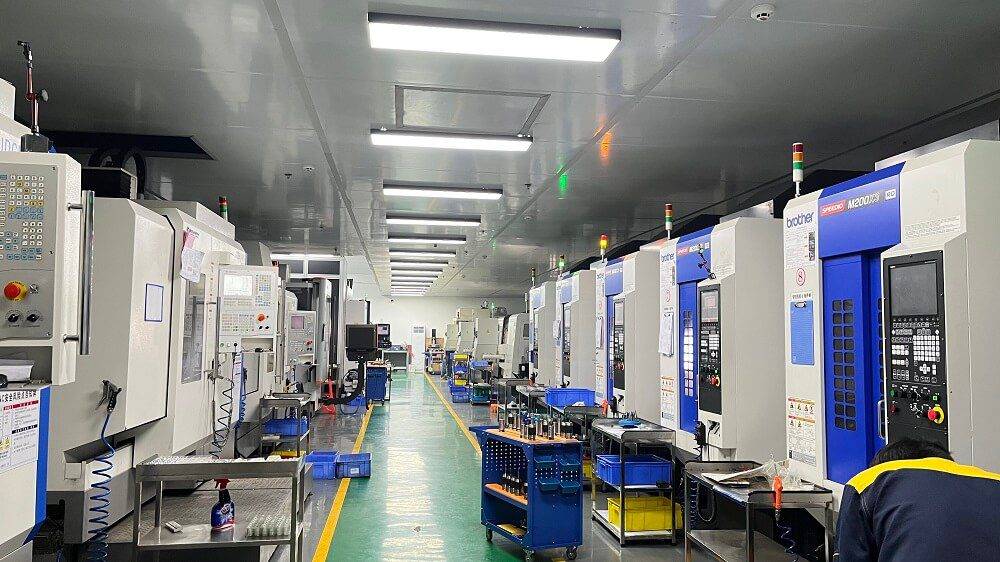
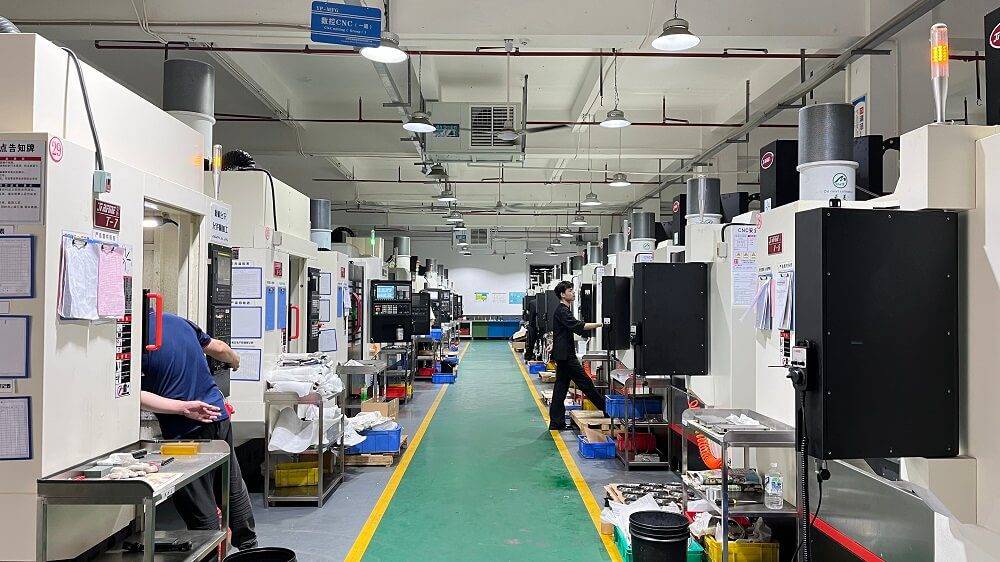
When standard catalog parts do not meet dimensional, material, or thread class requirements, CNC machining allows for fully custom nut geometries. YPMFG supports projects that require non-standard nut profiles, custom thread depths, or specialized materials.
Key Specifications to Verify Before Ordering
Before sourcing screw nut hardware parts, confirm these specifications with your design or procurement team:
Always request a material certification and dimensional inspection report when sourcing from a new supplier.
Material Selection Guide for Screw Nut Hardware
The material of a screw nut hardware part directly affects its load capacity, corrosion resistance, and compatibility with the mating screw.
Carbon Steel
Most common for general industrial use. Grade 5 and Grade 8 nuts offer increasing tensile strength. Zinc plating is typical for corrosion protection.
Stainless Steel
Preferred for environments exposed to moisture, chemicals, or outdoor conditions. 304 and 316 grades provide good corrosion resistance, but caution is needed to avoid galling with stainless steel screws.
Brass
Used in electrical applications, decorative assemblies, or where corrosion resistance and non-magnetic properties are required. Brass nuts have lower tensile strength than steel.
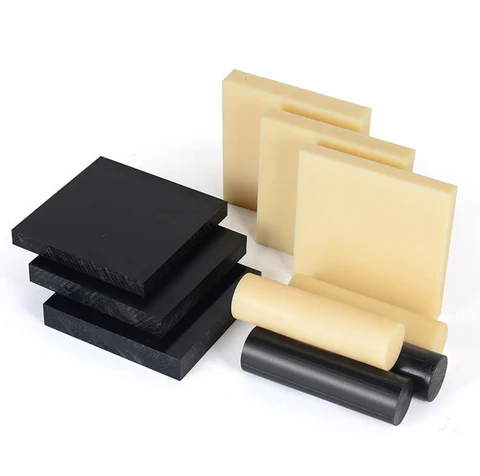
Nylon and Plastic
Lightweight, non-conductive, and corrosion-proof. Used in electronics, aerospace interiors, and low-load assemblies. Not suitable for high-temperature or high-stress applications.
Alloy Steel
Heat-treated for high-strength applications such as automotive drivetrains, heavy equipment, and structural joints. Typically used with matched alloy steel screws.
If your application involves high vibration, extreme temperatures, or corrosive media, the material choice becomes the most critical factor in nut performance.
Common Quality Issues and How to Avoid Them
Procurement teams frequently encounter these problems with screw nut hardware parts:
Thread mismatch – The nut threads do not gauge correctly with the mating screw. This is often caused by worn taps or improper coating thickness. Always request a thread gauge inspection report from the manufacturer.
Inconsistent hardness – Nuts that are too soft deform under load; nuts that are too hard may cause screw thread damage. Verify that the heat treatment process is documented and the hardness range is within specification.
Poor surface finish – Residual burrs, sharp edges, or uneven plating can cause assembly difficulties or premature corrosion. Ask for a visual inspection standard and surface roughness measurement.
Incorrect proof load – A nut that fails below the rated proof load can cause joint failure under tightening torque. Require proof load testing for every production lot.
YPMFG can provide engineering review of your nut specifications to identify potential quality risks before production begins.
Questions Buyers Often Ask About Screw Nut Hardware Parts
Can I use a lower-grade nut with a higher-grade screw?
It is not recommended. The nut must match or exceed the screw grade to handle the clamping load. A weaker nut may strip or fail before the screw reaches its design torque.
What thread class should I use for precision assemblies?
For most CNC-machined assemblies, thread class 6H (metric) or 2B (inch) is standard. For high-vibration or critical joints, consider class 5H or 3B for a tighter fit.
How do I prevent stainless steel nuts from galling?
Apply an anti-seize compound during assembly, use a slower drive speed, and avoid over-torquing. Some manufacturers offer coated stainless steel nuts to reduce friction.
Do I need a lock nut for every application?
No. Lock nuts are only necessary when vibration is present or when the joint experiences cyclic loading. In static assemblies, a standard nut with proper torque is sufficient.
What is the difference between a jam nut and a standard nut?
A jam nut is thinner and used as a secondary locking nut against a primary nut. It is not meant to carry the full clamping load on its own.
Are custom screw nut hardware parts more expensive than standard ones?
Custom parts can be more expensive per unit, but they often reduce assembly time, improve fit, and eliminate rework. For complex or high-volume applications, custom nuts can lower total cost.
How should I specify a non-standard nut for CNC machining?
Provide a drawing with thread size,pitch, class, material, hardness, surface finish, and critical tolerances. YPMFG can help review your drawing and suggest manufacturability improvements.
What packaging is typical for screw nut hardware parts?
Bulk packaging, small bags, or boxes with labeling. For sensitive finishes, individual wrapping or interleaving may be required to prevent surface damage.
Choosing the Right Screw Nut Hardware for Your Application
Selecting the correct screw nut hardware part is about more than matching the thread size. The material, finish, thread class, and proof load must all align with the operating environment and assembly process. A part that works well in a dry, static fixture may fail quickly in a vibrating, moisture-rich application.
When you send your specifications to YPMFG for review, the engineering team can evaluate your nut requirements against the actual machining capabilities, material availability, and testing options. This helps prevent mismatched components and production delays.
Whether you need standard hex nuts, custom-machined nuts, or a complete fastener package with material certification, getting the specifications right from the start saves time and cost.
If you are currently using a nut that causes assembly issues or if you are designing a new assembly, consider having your screw nut hardware parts reviewed by a CNC machining partner early in the process.