Quick answer:
A CNC brass turning part is a precision-machined component produced by rotating brass bar stock against a stationary cutting tool on a CNC lathe. This process delivers tight tolerances, smooth surface finishes, and excellent repeatability, making it ideal for applications in plumbing, electrical connectors, valves, and automotive systems. Brass is chosen for its corrosion resistance, machinability, and electrical conductivity. However, material grade, tool wear, and part geometry directly affect cost and lead time. Understanding these factors helps buyers avoid delays and unexpected rework.
If you are sourcing brass components for a production run, the difference between a reliable part and a recurring problem often comes down to how the CNC brass turning part is designed, specified, and manufactured. Many buyers focus only on unit price, but material selection, tolerance requirements, and surface finish specifications have a far greater impact on total cost and part performance. A poorly specified part may pass initial inspection but fail under thermal stress or vibration in the field. This article explains what defines a quality CNC brass turning part, what parameters matter most, and how to communicate your needs clearly to a machining partner.
What Is a CNC Brass Turning Part?
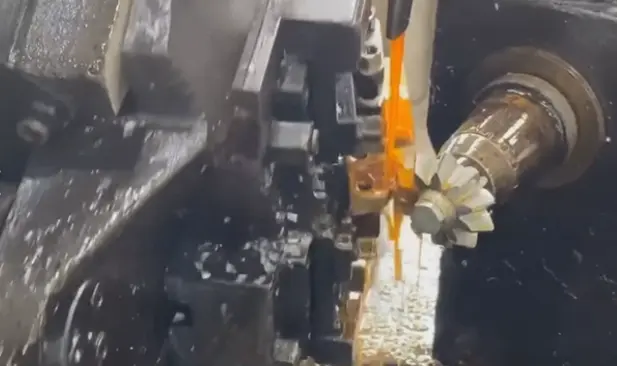
A CNC brass turning part is any component machined from brass bar stock using a computer-controlled lathe. The cutting tool moves along multiple axes to remove material, creating cylindrical or contoured shapes with high precision.
Brass alloys, particularly C36000 (free-cutting brass), are widely used because they produce short chips, reduce tool wear, and allow faster cutting speeds. This makes brass one of the most cost-effective materials for turned parts.
Typical examples include threaded fittings, valve stems, bushings, electrical terminals, and sensor housings. The process is suitable for both low-volume prototypes and high-volume production.
Why Choose Brass for CNC Turning?
Brass offers a combination of properties that few other metals can match for turned parts:
Machinability: Brass machines faster than steel or stainless steel, reducing cycle time and tooling cost.
Corrosion resistance: Brass resists rust and degradation in humid or chemical environments.
Electrical conductivity: Brass is commonly used for electrical connectors and grounding components.
Aesthetic finish: Brass parts can achieve a bright, polished surface without secondary plating.
However, not all brass grades perform the same. C36000 is the most common for turning, while C26000 (cartridge brass) is better for forming. Choosing the wrong grade can lead to poor surface finish or excessive tool wear.
Key Specifications for a CNC Brass Turning Part
When requesting a quote or sending drawings, include these parameters to ensure the part meets your requirements:
Providing clear specifications reduces the risk of miscommunication. If you are unsure about a parameter, a machining partner like YPMFG can review your drawing and recommend appropriate values based on your application.
Common Applications for CNC Brass Turned Parts
Brass turned parts appear in industries where reliability and precision are critical:
Plumbing and fluid control: Fittings, adapters, valve bodies, and nozzles.
Electrical and electronics: Connectors, pins, terminals, and switch components.
Automotive: Fuel system fittings, sensor housings, brake components.
Pneumatics and hydraulics: Couplers, manifolds, and pressure regulators.
Medical and instrumentation: Small precision housings and fluid path components.
Each application imposes different requirements. A plumbing fitting may prioritize thread sealing, while an electrical terminal may focus on conductivity and plating.
Cost Factors for a CNC Brass Turning Part
The price of a CNC brass turning part depends on more than just raw material cost. Key drivers include:
Part complexity: More features, tighter tolerances, and multiple diameters increase machining time.
Material grade: C36000 is economical, while specialty brass alloys cost more.
Quantity: Setup costs are spread across larger runs, reducing per-part price.
Surface finish requirements: Polishing or plating adds secondary processing.
Tool wear: Brass is gentle on tools, but complex geometries may require custom tooling.
For buyers comparing quotes, it is important to evaluate total cost, not just unit price. A slightly higher per-part cost may be justified by better consistency, faster delivery, or tighter tolerances.
Common Mistakes When Specifying a Brass Turned Part
Even experienced engineers can overlook details that cause production delays or part failure:
Over-specifying tolerances: Calling for ±0.01 mm where ±0.05 mm is sufficient adds cost without benefit.
Ignoring burr location: Internal threads or cross holes can trap burrs that affect assembly.
Choosing the wrong brass grade: Using C26000 for a high-speed turning job leads to poor chip control.
Omitting surface finish callouts: A missing Ra value may result in a rough surface that fails sealing requirements.
Reviewing your drawing with a machining partner before production begins can catch these issues early. YPMFG offers engineering evaluation services to help refine specifications before quoting.
Questions Buyers Often Ask About CNC Brass Turning Parts
How tight a tolerance can CNC brass turning achieve?
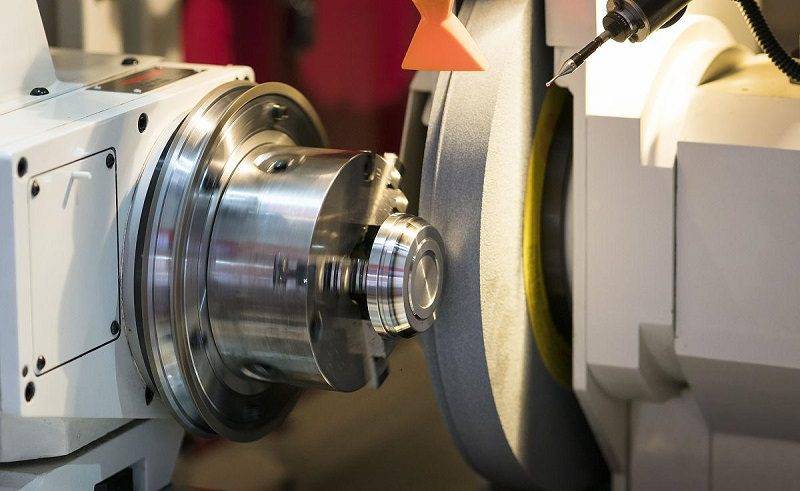
Typical CNC lathes can hold ±0.005 mm on diameter dimensions. For tighter tolerances, grinding or secondary operations may be required. Always confirm with your machining partner before finalizing the drawing.
Does brass require post-machining treatment?
In many cases, no. Brass parts are often used as-machined. However,if the part will contact food, potable water, or aggressive chemicals, a protective coating or passivation may be needed.
What is the typical lead time for a CNC brass turning part?
Lead times vary by quantity and complexity. Simple parts can ship in 2–3 weeks, while complex parts requiring custom tooling may take 4–6 weeks. Rush service is available from some suppliers.
Can brass turned parts be plated?
Yes. Brass accepts nickel, tin, silver, and chrome plating. Plating improves corrosion resistance, wear properties, or electrical performance depending on the coating.
How do I choose between brass and stainless steel for a turned part?
Brass is easier to machine and lower in cost. Stainless steel offers higher strength and corrosion resistance. The choice depends on operating environment, mechanical load, and budget.
What information should I include in my RFQ for brass turned parts?
Provide a 2D drawing with dimensions, tolerances, surface finish, thread specifications, and material grade. If a drawing is not available, a detailed sketch with critical dimensions may be sufficient for an initial quote.
Does part size affect the turning cost?
Yes. Larger diameter bars require more material and longer cycle times. Very small parts may require specialized collets or micro-machining equipment.
Can I get prototypes before full production?
Most CNC shops offer prototype or low-volume runs. This allows you to test fit and function before committing to a larger order.
Making the Right Choice for Your CNC Brass Turning Part
Selecting the right CNC brass turning part supplier is not just about price. It is about finding a partner who understands material behavior, tolerance implications, and production efficiency. A well-specified part manufactured on modern CNC equipment will perform consistently, reduce assembly issues, and extend product life.
If you are planning a new project or reviewing an existing design, send your specifications to YPMFG for a free engineering review and quote. Their team can evaluate your part geometry, recommend the most suitable brass grade, and provide a cost-effective production plan. Contact YPMFG today to discuss your requirements.