Quick answer:
Precision brass bushing machining involves the tight-tolerance manufacturing of cylindrical components used to support rotating shafts, align moving parts, or reduce friction in mechanical assemblies. The process typically requires CNC turning, milling, and sometimes grinding to achieve dimensional accuracy within ±0.001 inches or tighter. Brass is chosen for its machinability, corrosion resistance, and self-lubricating properties, making it ideal for applications in automotive, hydraulic, and industrial equipment.
Selecting the right machining partner is critical—small deviations in bore diameter, surface finish, or concentricity can lead to premature wear, noise, or assembly failure. Buyers often look for suppliers that offer engineering support, material certification, and consistent quality control across production runs.
Brass bushing machining is not a one-size-fits-all process. The required tolerances, volume, secondary operations, and material grade all affect cost and lead time. Understanding these variables helps procurement teams avoid budget overruns and rework.
What Is Precision Brass Bushing Machining?
Precision brass bushing machining refers to the fabrication of cylindrical components from brass stock using CNC machining equipment. These bushings serve as bearing surfaces, guiding elements, or wear-resistant liners in mechanical assemblies.
The term “precision” indicates that the finished part meets tight dimensional and geometric specifications, often defined by engineering drawings with tolerances in the thousandths of an inch. Brass is a preferred material because it machines cleanly, produces fine surface finishes, and does not gall against steel shafts in many applications.
Typical applications include gearbox housings, hydraulic pumps, valve assemblies, and industrial automation equipment. The machining process must account for material expansion, tool wear, and part fixturing to maintain repeatability across production batches.
Common Brass Grades Used for Bushings
Not all brass alloys perform the same way under machining. The most common grades for bushing applications include:
C36000 is the most widely specified grade for precision bushing machining due to its superior chip control and surface finish. For applications requiring higher strength or corrosion resistance, C46400 or C93200 may be more appropriate.
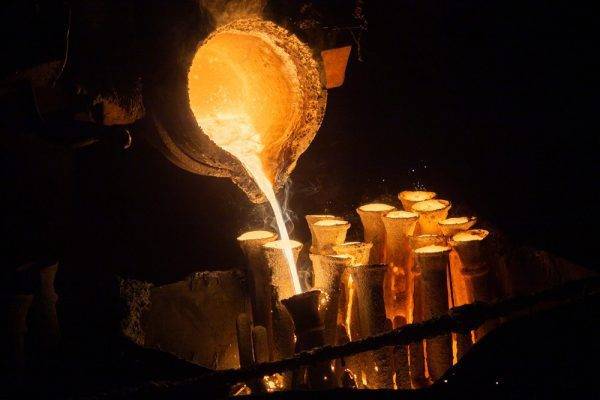
Your material selection should match the operating environment, load conditions, and mating material. YPMFG can help evaluate which brass grade fits your application’s mechanical and environmental requirements before production begins.
Key Tolerances and Surface Finish Requirements
Bushing performance depends heavily on how accurately the inner diameter, outer diameter, and concentricity are machined. Typical tolerance ranges include:
Bore diameter: ±0.0005″ to ±0.001″
Outer diameter: ±0.001″ to ±0.002″
Concentricity: 0.002″ TIR or better
Surface finish: 16 to 32 microinches Ra
These specifications must be verified during production using calibrated gauges and CMM inspection. If tolerances are too loose, the bushing may allow shaft movement or vibration. If too tight, assembly becomes difficult and galling may occur.
Surface finish requirements depend on whether the bushing will run against a hardened shaft or remain stationary. For rotating applications, a smoother finish reduces friction and wear.
A reliable machining partner will provide inspection reports and material certifications as part of the delivery package. When requesting a quote, always specify the required tolerances and finish so the supplier can recommend the appropriate machining process.
Machining Process Overview: CNC Turning, Milling, and Finishing
Brass bushing machining typically follows a standard sequence:
1. Material preparation: Brass bar stock or tubing is cut to length.
2. CNC turning: The outer diameter, bore, and faces are machined in a single or multiple passes.
3. Secondary operations: Grooves, oil holes, or keyways are added using CNC milling or drilling.
4. Deburring: Sharp edges are removed manually or with tumbling equipment.
5. Inspection: Dimensions, surface finish, and concentricity are checked.
6. Packaging: Parts are cleaned and protected to prevent damage during shipping.
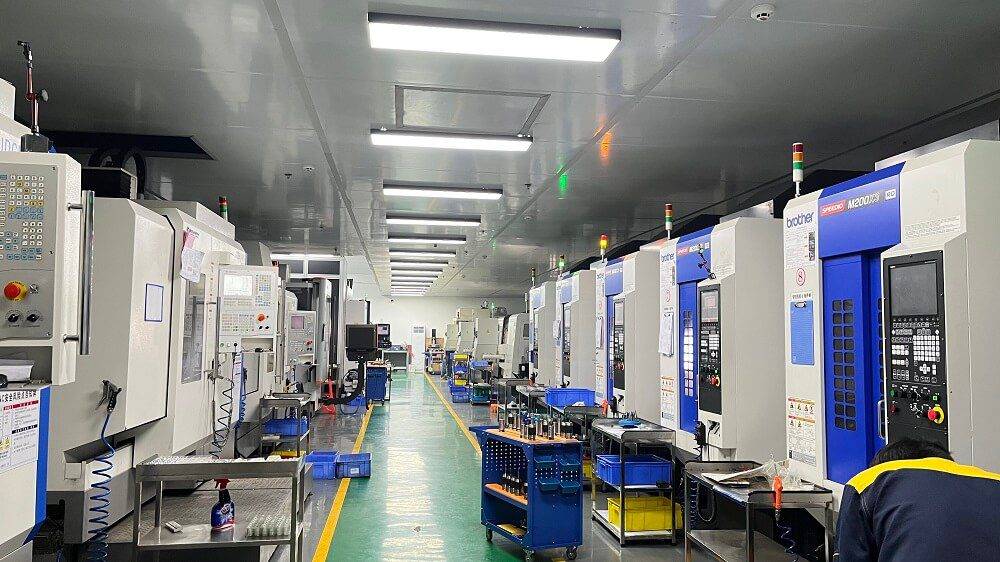
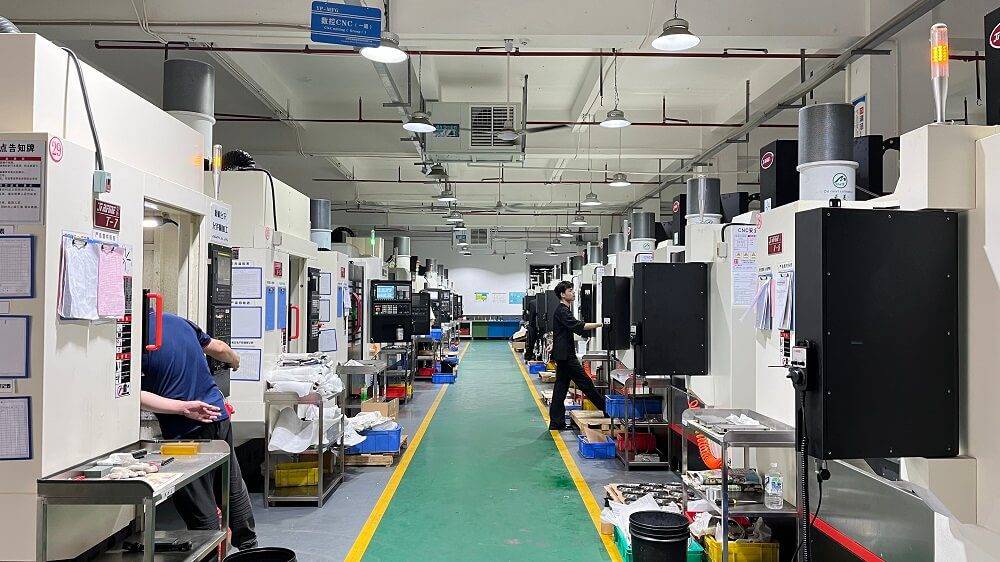
For high-volume runs, multi-axis CNC lathes can complete most operations in one setup, reducing cycle time and improving accuracy. For low-volume or prototype orders, a machining center with live tooling may be used to minimize setup costs.
The choice of tooling, coolant, and feed rate also affects part quality. Brass is relatively soft, so tool wear is low, but chip control must be managed to avoid scratching finished surfaces.
YPMFG uses modern CNC equipment and documented quality procedures to maintain consistency from the first part to the last in each production run.

Factors That Affect Machining Cost
The cost of precision brass bushing machining depends on several variables:
Tolerance tightness: Tighter tolerances require slower speeds, more inspection, and sometimes secondary grinding.
Quantity: Setup time is spread across the batch; larger quantities reduce per-unit cost.
Complexity: Features like internal threads, cross-drilled holes, or stepped diameters add machining time.
Material grade: Specialty alloys like naval brass or bearing bronze cost more than free-cutting brass.
Surface finish requirements: Mirror finishes require additional polishing or burnishing passes.
Certifications and documentation: Full material traceability and inspection reports add administrative cost.
To get an accurate estimate, provide a detailed engineering drawing with all critical dimensions and notes. Many machine shops offer engineering review services to help optimize the design for manufacturability before quoting.
Avoid selecting a supplier based solely on the lowest price—undercuts in cost may indicate skipped inspection steps or lower material quality, which can lead to field failures.
How to Evaluate a Machining Supplier for Brass Bushings
Choosing the right partner for brass bushing machining requires more than comparing hourly rates. Use the following checklist to assess potential suppliers:
Do they have experience machining brass to tight tolerances (≤ ±0.001”)?
Can they provide material certifications and inspection reports?
What inspection equipment do they use (CMM, micrometers, air gauges)?
Do they offer custom machining for non-standard bushing sizes?
What is their typical lead time for prototype and production quantities?
Do they provide engineering support to review your drawing before quoting?
Are they ISO 9001 or AS9100 certified?
Can they handle secondary operations like surface finishing or heat treatment?
A supplier that answers yes to most of these questions is more likely to deliver consistent quality. If you are unsure about any aspect of your bushing design, a technical review from the machining partner can help avoid costly revisions later.
Common Questions About Precision Brass Bushing Machining
What is the typical lead time for precision brass bushings?
Lead time depends on complexity and quantity. Simple bushings in standard sizes can ship in 1–2 weeks. Parts requiring tight tolerances or secondary operations may take 3–4 weeks. Always confirm lead time during the quoting stage.
Can brass bushings be machined from customer-supplied material?
Many machine shops accept customer-supplied material, but they will need to verify its condition and machinability. Some shops prefer to source material themselves to guarantee traceability and consistency.
What surface finish is standard for brass bushings?
A surface finish of 32 microinches Ra is common for general-purpose bushings. For applications with high rotational speeds or strict wear requirements, 16 microinches Ra or better may be specified.
How do I specify tolerances on a bushing drawing?
Use standard GD&T symbols and specify critical dimensions such as bore diameter, OD, concentricity, and length. Include notes on surface finish and any required deburring. A clear drawing helps the machinist choose the right tooling and inspection plan.
Does brass bushing machining require lubrication after production?
Brass has natural lubricity, but some applications benefit from a thin oil film or dry-film lubricant during assembly. The need for post-machining lubrication depends on the operating speed, load,and mating material.
What is the minimum order quantity for custom brass bushings?
Minimum order quantities vary by supplier. Some shops accept single-piece prototypes, while others prefer runs of 50 or more. YPMFG works with both low-volume and high-volume projects, and can provide pricing for your specific quantity.
Can brass bushings be machined to metric dimensions?
Yes. Most CNC machine shops can work in imperial or metric units. Ensure your drawing clearly specifies units and any conversion notes to avoid errors.
What causes brass bushings to fail prematurely?
Common failure causes include incorrect material grade, overly loose or tight tolerances, poor surface finish, and misalignment during installation. A thorough engineering evaluation before production can prevent these issues.
Need Help Selecting the Right Machining Partner?
Precision brass bushing machining requires experience, proper equipment, and a commitment to quality control. The wrong supplier can lead to delayed deliveries, rejected parts, or field failures that cost more than the original purchase.
YPMFG provides CNC machining services for brass bushings in a range of sizes, tolerances, and volumes. You can send your specifications or engineering drawings for review, and the team will evaluate the best approach for your application.
Whether you need a single prototype or a production run, having a partner that understands material behavior, tooling strategies, and inspection requirements makes the difference between a smooth project and a costly one.