Quick answer:
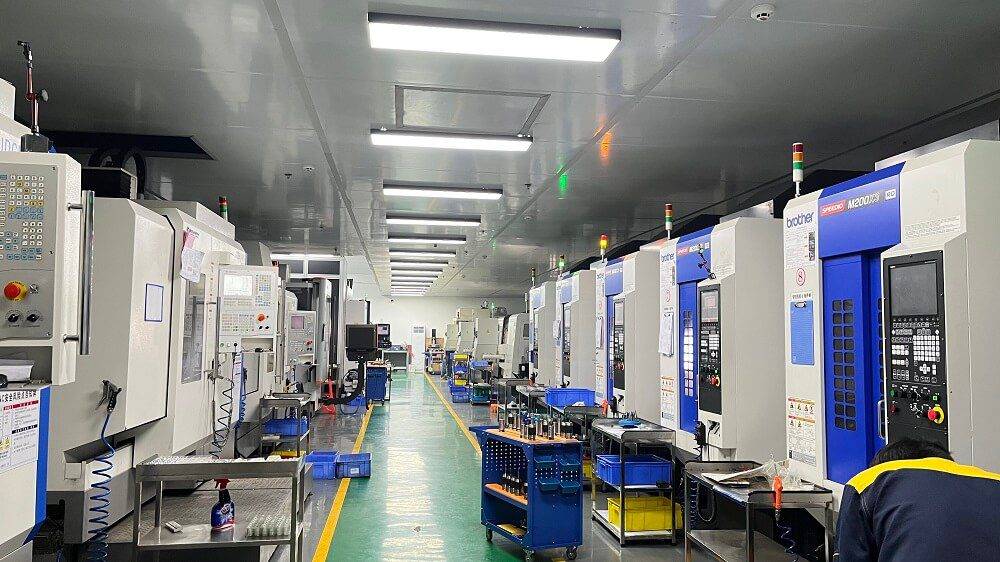
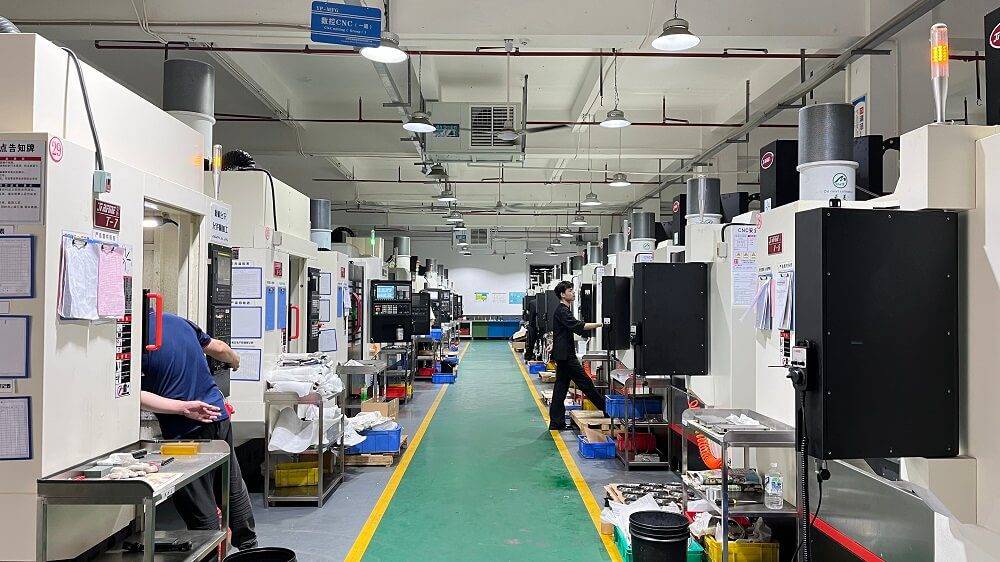
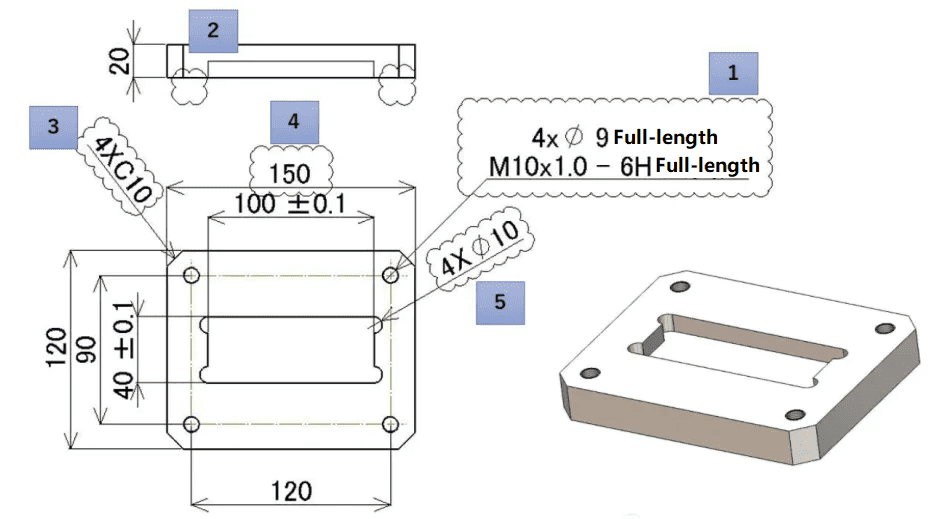
A machining centre is a computer-controlled CNC machine tool capable of performing multiple operations—such as milling, drilling, tapping, and boring—in a single setup. The “parts” in this context refer to both the machine’s internal components (spindles, tool changers, control systems) and the workpieces it produces. Choosing the right machining centre and understanding its parts directly affects your part quality, cycle time, and long-term maintenance costs for precision manufacturing.
Understanding Machining Centres and Their Parts: A Practical Guide for Buyers
When you are evaluating a machining centre for your shop, the decision goes beyond spindle speed or table size. The real questions are about how the machine’s parts work together to deliver consistent accuracy, how easy it is to maintain, and whether the design supports your production volume and part complexity. This guide breaks down the core components, selection criteria, and common buyer concerns to help you make an informed purchasing decision.
1. What Are the Main Parts of a Machining Centre?
Every machining centre is built from a set of critical subsystems. Understanding each part helps you evaluate machine quality and predict maintenance needs.
Spindle
The spindle is the rotating component that holds and drives the cutting tool. Spindle speed (RPM), torque, and bearing type determine what materials you can cut efficiently. For aluminium, high-speed spindles (15,000–25,000 RPM) perform well. For stainless steel or titanium, lower-speed, high-torque spindles are typically required.
Tool Changer
Automatic tool changers (ATC) reduce non-cutting time. Common types include arm-type and turret-style changers. The number of tool stations and change time (often 2–6 seconds) should match your average part complexity. If your parts require frequent tool swaps, a faster ATC improves throughput.
Control System
The CNC controller interprets your program and moves the axes. Common brands include Fanuc, Siemens, Heidenhain, and Mitsubishi. The control system affects ease of programming, compatibility with your CAM software, and diagnostic capabilities. A system that supports custom macro programming can simplify complex part cycles.
Axes and Linear Guides
Most machining centres have three linear axes (X, Y, Z). Some include a rotary axis (fourth or fifth axis) for complex geometries. Linear guides can be either box-way or linear-rail type. Box ways offer higher rigidity for heavy cutting, while linear rails provide faster acceleration for light to medium work.
Coolant and Chip Management
Effective coolant delivery and chip evacuation are essential for part quality and tool life. Through-spindle coolant, high-pressure coolant systems, and chip conveyors are common options. Poor chip management leads to heat buildup, tool wear, and surface finish issues.
Table and Workholding
The machine table supports your workpiece. T-slot tables, grid plates, or pallet systems allow quick part changeover. The table size and load capacity must match your typical part dimensions. Overloading the table can cause vibration and reduce accuracy.
Ball Screws and Bearings
Ball screws convert rotary motion from the servo motor into linear motion. Preloaded ball screws reduce backlash and improve positioning accuracy. Regular inspection of ball screw backlash is part of preventive maintenance.
A reliable machining centre provider, such as YPMFG, can help you evaluate these parts against your specific production requirements, including custom fixture design and tooling recommendations.
2. How to Choose the Right Machining Centre for Your Parts
Selecting a machining centre is not just about matching specifications on paper. You need to consider the part family you produce, your tolerance requirements, and your production volume.
Identify Your Part Geometry and Material
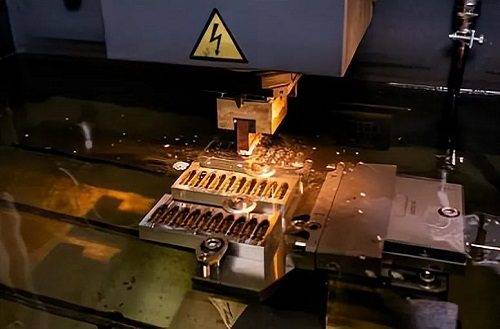
Start by listing the most common parts you machine: their size, material, and features. For example, small precision components with tight tolerances may require a machine with high-speed spindles and fine axis resolution. Larger structural parts might need a bridge-type or gantry configuration.
Evaluate Production Volume
For high-volume runs, a machine with a fast tool changer, pallet system, and high-speed axes reduces cycle time. For low-volume or prototype work, flexibility and quick setup are more important than raw speed. Batch size directly influences whether you need a horizontal or vertical machining centre (HMC vs VMC).
Check Accuracy and Repeatability
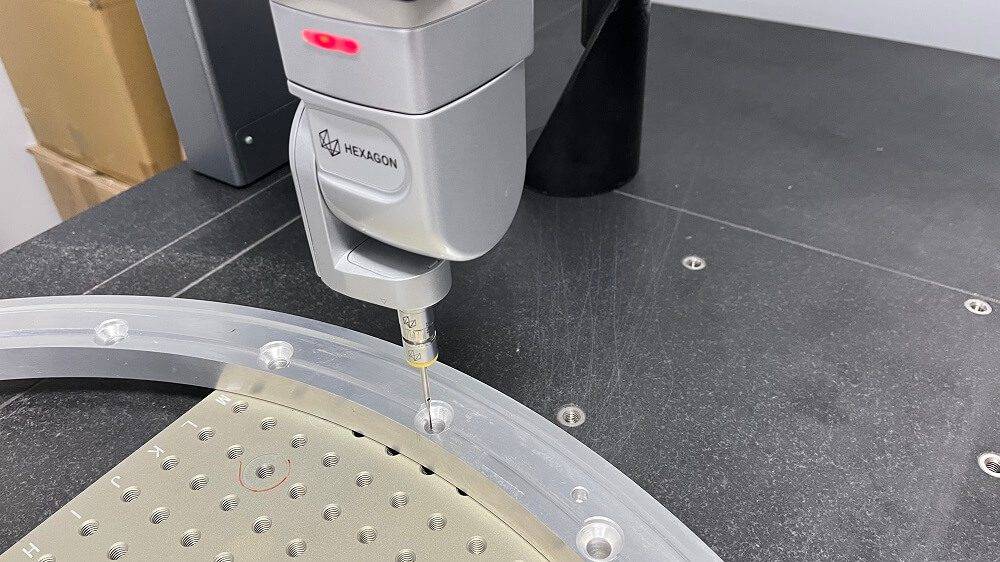
Manufacturers specify positioning accuracy (often ±0.002 mm or better) and repeatability. For parts requiring tight tolerances, look for machines with thermal compensation and rigid frames. Real-world accuracy can differ from spec sheets, so request a test cut if possible.
Assess Maintenance and Support
Consider the availability of spare parts, local service technicians, and documentation. A machine with complex parts that are difficult to source can lead to extended downtime. Parts documentation and a clear maintenance schedule should be part of your evaluation.
Cost vs Total Cost of Ownership
Initial purchase price is only one factor. Energy consumption, coolant usage, tool wear, spare part costs, and downtime all affect long-term ROI. A machine with higher efficiency and better reliability may cost more upfront but saves money over its service life.
If you are unsure which configuration best suits your parts, YPMFG offers engineering support to review your specifications and recommend a suitable machining centre setup, including fixture selection and tool path optimization.
3. Common Buyer Questions About Machining Centres and Parts
What is the difference between a VMC and an HMC?
A vertical machining centre (VMC) has a vertical spindle orientation, ideal for flat parts and simple setups. A horizontal machining centre (HMC) has a horizontal spindle, better for heavy cuts, chip evacuation, and multi-sided machining. HMCs often come with a pallet changer for higher throughput.
How often should I replace the spindle?
Spindle life depends on usage, load, and maintenance. In many cases, a spindle lasts 5–10 years under normal conditions. Regular vibration analysis and bearing temperature monitoring can extend its life. Replace the spindle when runout exceeds manufacturer specification or when noise increases.
Can I retrofit an older machining centre with new parts?
Yes, but it depends on the control system and mechanical design. Common retrofits include upgrading the CNC controller, replacing ball screws, or installing a new tool changer. Retrofitting is often cost-effective for machines with a rigid frame but outdated electronics.
What spare parts should I keep in stock?
Typical critical spares include spindle bearings, ball screws, linear guide blocks, coolant pumps, and electrical relays. Consult the machine manual for recommended spares. Keeping these on hand reduces downtime during unplanned failures.
How do I know if my machining centre has excessive backlash?
Backlash appears as inconsistent part dimensions, especially in directional changes. A simple test involves mounting a dial indicator on the spindle and moving the axis in both directions. If the measured movement differs by more than the machine’s repeatability spec, ball screw or bearing adjustment may be needed.
Is a five-axis machining centre worth the investment?
Five-axis machines simplify complex geometries and reduce setups. They are beneficial for aerospace, medical, and mold making applications. However, they require more advanced programming and higher initial investment. Evaluate your part complexity and production volume before deciding.
What type of tool holder should I use?
Common tool holders include BT, CAT, HSK,and SK. HSK holders provide better rigidity at high speeds and are common in modern machining centres. The choice depends on your spindle taper, RPM range, and cutting forces. Tool holder selection affects runout and part finish.
How can I improve chip evacuation in my machining centre?
Use high-pressure coolant through the spindle, angled coolant nozzles, and a chip conveyor. For deep cavities, programmed chip-breaking cycles help. Poor chip evacuation can cause tool re-cutting, heat buildup, and surface damage.
4. Making a Better Long-Term Decision
A machining centre is a long-term investment in your production capability. The machine’s parts—spindles, guides, control systems, and workholding—determine not only the quality of your finished parts but also your shop’s uptime and operating costs. Focusing only on price or speed often leads to higher maintenance expenses and unexpected downtime later.
The most effective approach is to start with your actual part requirements: materials, tolerances, volumes, and future growth plans. Then evaluate each machine based on how well its components match those needs. Bring in technical support from experienced providers early in the process.
If you are currently evaluating a machining centre for your production line, contact YPMFG with your part drawings and production requirements. Their team can review your specifications, recommend appropriate machine configurations, and help you compare spindle options, tooling setups, and maintenance plans tailored to your application.