Quick answer:
China CNC machining offers access to a vast network of manufacturers capable of producing precision parts at competitive costs. Buyers typically choose China for its combination of advanced equipment, skilled labor, and scalable production capacity. However, success depends on selecting a partner who provides clear communication, engineering support, and consistent quality control. Without these elements, cost savings can be lost to rework, delays, or compliance issues. For most engineering and procurement teams, working with a qualified Chinese CNC shop means balancing unit price with long-term reliability.
Procurement professionals and engineers often face a difficult decision when sourcing machined parts internationally. The promise of lower production costs is real, but so are the risks of miscommunication, inconsistent quality, and hidden fees. Understanding how to evaluate a China CNC machining partner is essential to making a choice that supports both budget and project timelines.
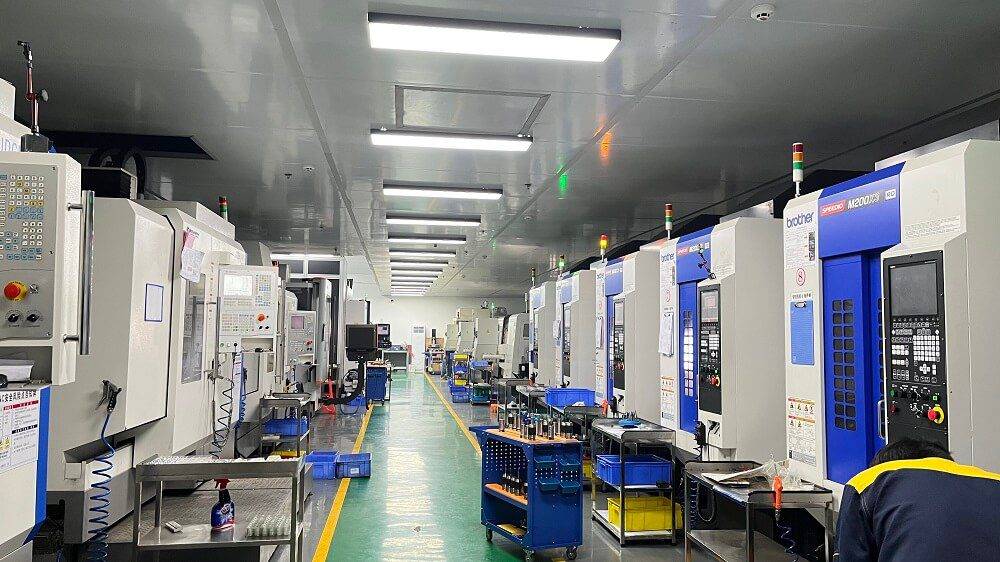
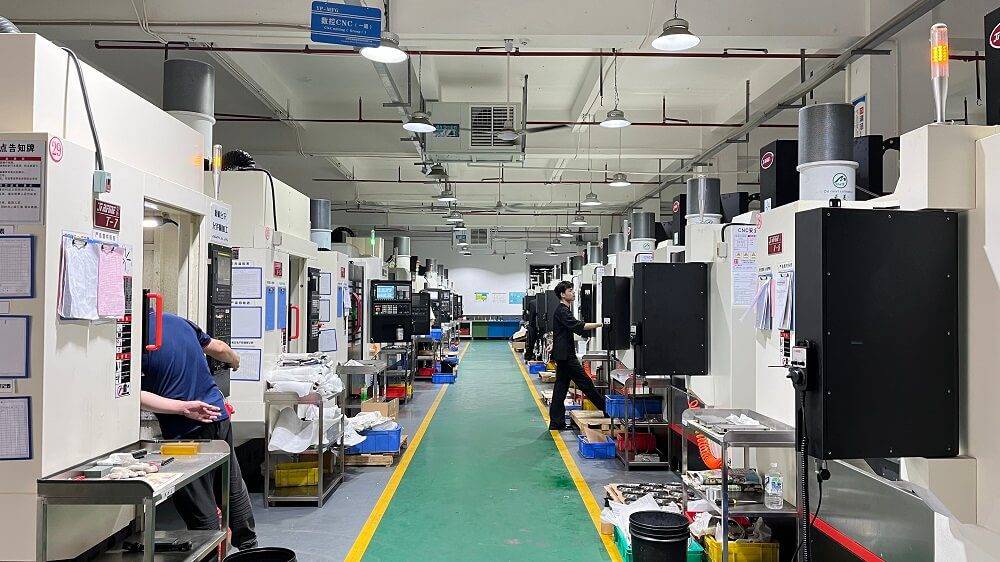
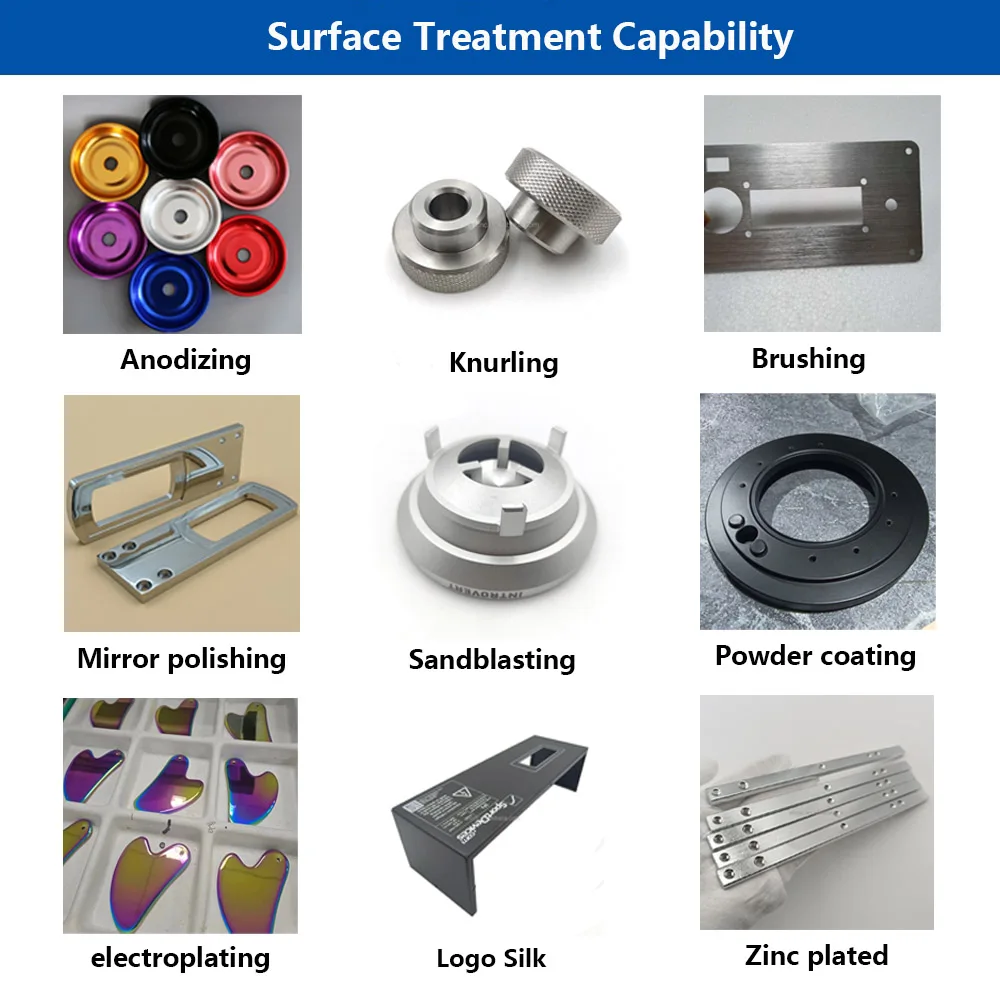
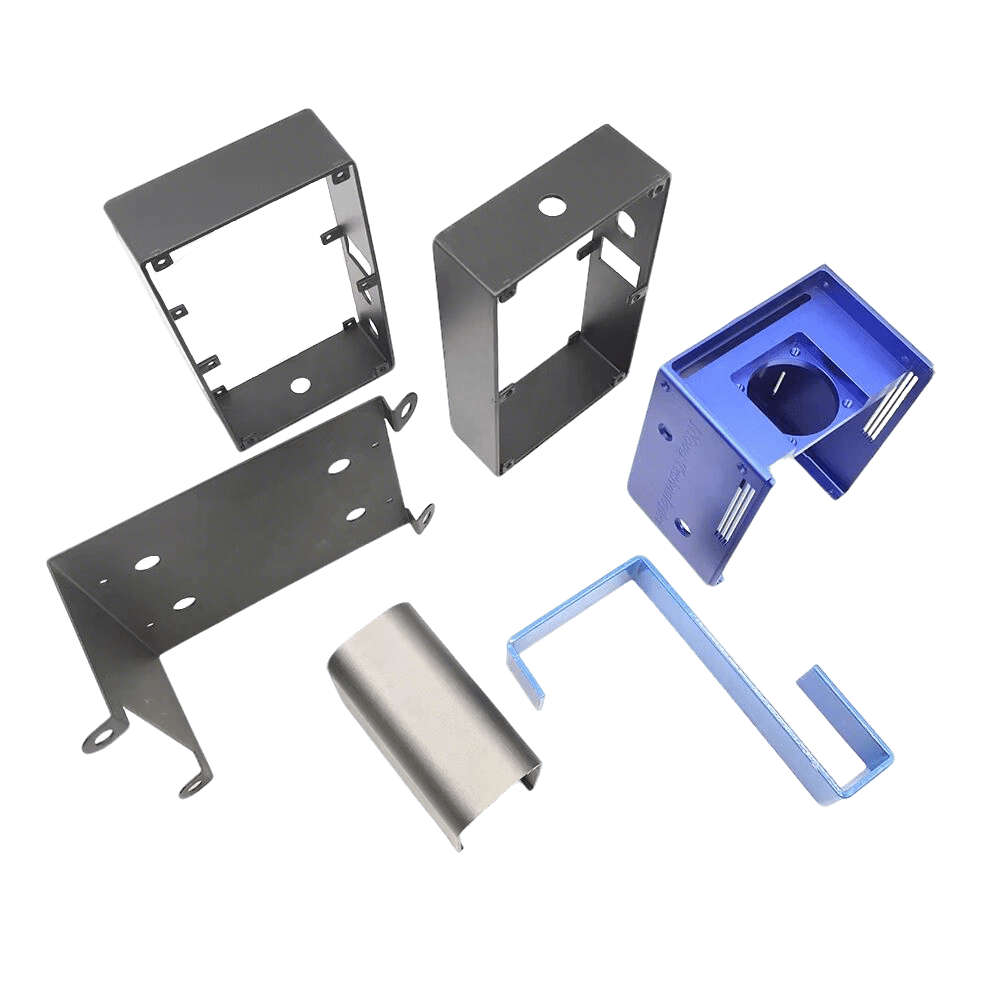
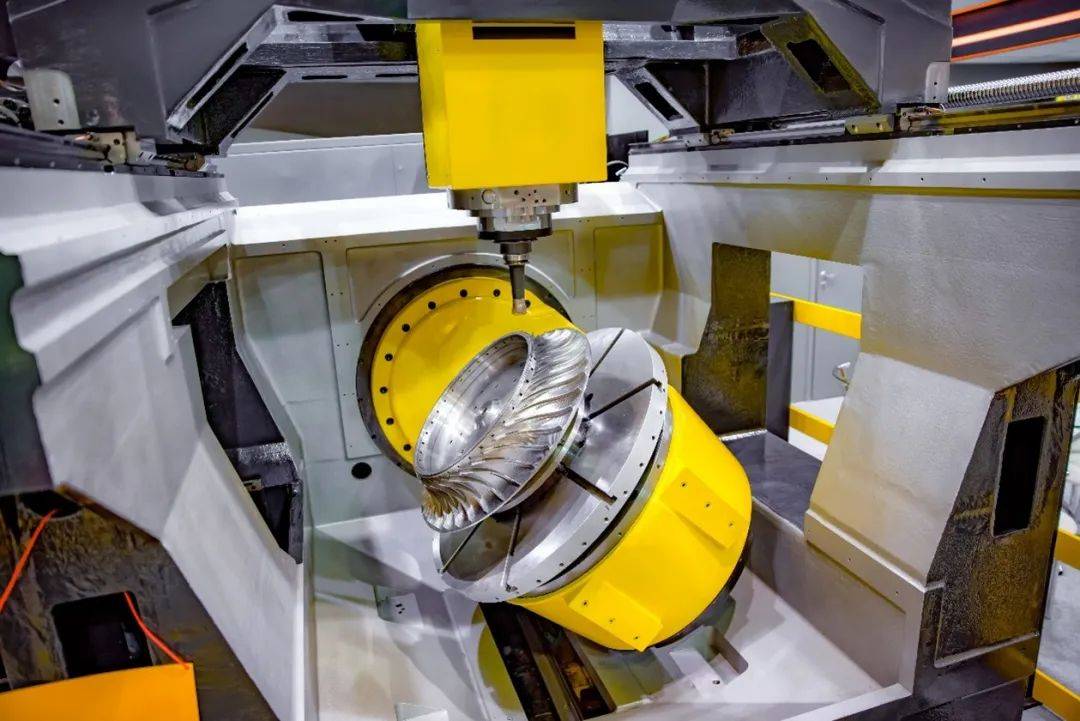
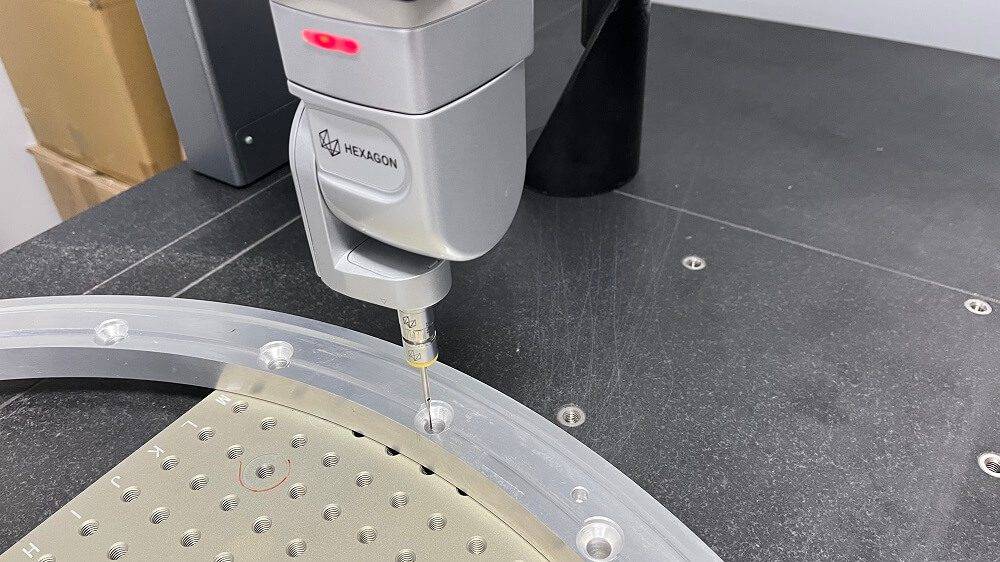
Many global companies source CNC machined parts from China because of the country’s established manufacturing infrastructure. Factories in industrial regions operate with modern multi-axis CNC machines, automated tooling,and experienced engineers. China also offers a wide range of materials and surface finishes at lower labor rates. This combination makes it possible to produce complex geometries, tight tolerances, and large production volumes without exceeding budget. For companies that need custom CNC parts regularly, China provides a supply chain advantage. The ecosystem includes raw material suppliers, heat treatment facilities, and inspection labs, all within close geographic proximity. The main difference between a Chinese CNC shop and a local supplier is cost structure. Labor, facility overhead, and material sourcing in China are often lower, which translates to a lower unit price. Local suppliers may offer faster shipping and easier communication. But many Chinese shops have closed this gap by offering engineering review services, real-time project tracking, and English-speaking project managers. In terms of quality, the gap has also narrowed. Reputable CNC manufacturing facilities in China now hold ISO certifications, use CMM inspection equipment, and follow strict process documentation. The key is to verify these capabilities before placing an order. Quality and cost in China CNC machining depend on several variables. Understanding these factors helps buyers avoid common mistakes. Material selection: Different alloys and plastics machine at different speeds. Harder materials increase tool wear and cycle time, raising cost. Tolerance requirements: Tighter tolerances require more inspection steps, slower feed rates, and sometimes secondary operations. This directly affects pricing. Surface finish and post-processing: Anodizing, plating, painting, or passivation add cost and lead time. Each finish also has specific process standards that must be followed. Order quantity: Larger quantities often reduce per-unit cost due to setup amortization. Smaller runs may carry higher per-part pricing. Design complexity: Parts with deep cavities, thin walls, or tight internal geometries require more setup time and specialized tooling. A reliable CNC machining service will provide a detailed cost breakdown and highlight which features drive the most expense. Choosing the right partner is more important than choosing the lowest price. Buyers should evaluate several areas before committing. Engineering support: Does the shop offer DFM analysis? Can they suggest design changes that reduce cost without compromising function? Quality control processes: Ask about inspection frequency, equipment used, and reporting procedures. A shop that provides dimensional reports with every shipment shows discipline. Communication and documentation: Clear communication reduces the risk of errors. Shops that provide detailed technical drawings, material certifications, and shipping documentation are easier to work with. Lead time reliability: Inconsistent lead times can disrupt production schedules. Look for shops that track delivery performance and communicate delays early. Custom solutions: Some projects require non-standard processes, special fixtures, or prototype iterations. A shop experienced in custom manufacturing can handle these requirements more efficiently. YPMFG supports buyers at every stage of this evaluation. From engineering review to production scheduling, the team helps clarify what is achievable within a given budget and timeline. Is CNC machining in China reliable for tight tolerance parts? Yes, many Chinese CNC shops can hold tolerances as tight as ±0.005 mm. The key is to specify your tolerance requirements clearly on the drawing and confirm the shop’s inspection capabilities. How do I verify the quality of parts before shipment? Request a first article inspection report and ask for photos or video of critical features. Some buyers also use third-party inspection services located near the factory. What is the typical lead time for CNC machined parts from China? Lead times range from 2 to 6 weeks depending on part complexity, material availability, and order quantity. Rush orders are sometimes possible with a premium. Do Chinese CNC shops accept small batch orders? Many shops now accept low-volume orders, especially if you use standard materials and simple geometries. Minimum order quantities vary, so ask upfront. How do I handle design changes after the order is placed? Most shops allow changes before material is cut. After that, changes may incur additional cost. YPMFG offers engineering evaluation during this phase to minimize disruption. What documents should I request from a Chinese CNC supplier? Request material certifications, dimensional reports, and any relevant compliance certificates. These documents help you verify that the parts meet your specifications. Can I get a prototype before full production? Yes, many shops offer prototype machining. Prototype pricing is often higher per unit due to setup and inspection time, but it reduces risk before mass production. How do shipping costs affect the total price? Shipping adds to the total cost, especially for heavy or oversized parts. Ask for price quotes that include both production and shipping to get a clear picture of total expense. The decision to use China CNC machining should be based on more than price. It involves evaluating material options, tolerance capabilities, quality processes, and supplier communication. A well-chosen partner helps you avoid delays, rework, and hidden costs. Working with an experienced team simplifies this process. YPMFG provides custom CNC solutions, engineering support, and clear documentation for projects of all sizes. Whether you need a single prototype or a full production run, the team can review your specifications and offer practical guidance. To get started, send your technical drawings and requirements to YPMFG for a custom quote. The engineering team will review your design, suggest optimizations if needed, and provide a clear timeline and cost estimate.01Why Sourcing CNC Machining from China Is Common
02How Chinese CNC Shops Compare to Local Suppliers
03Key Factors That Affect Part Quality and Cost
04What to Look for in a CNC Machining Partner
05Common Questions About China CNC Machining
06Choosing the Right CNC Machining Solution for Your Project