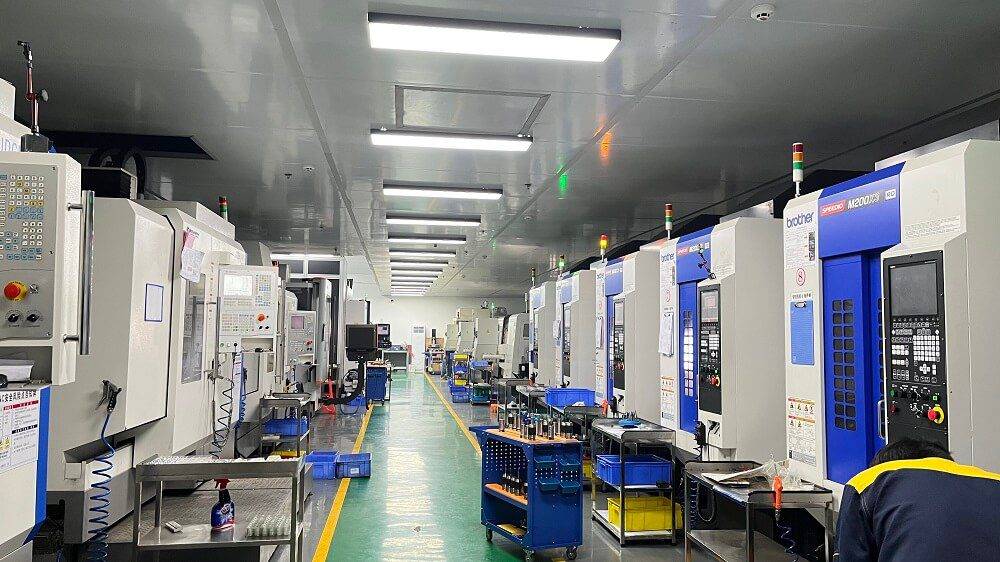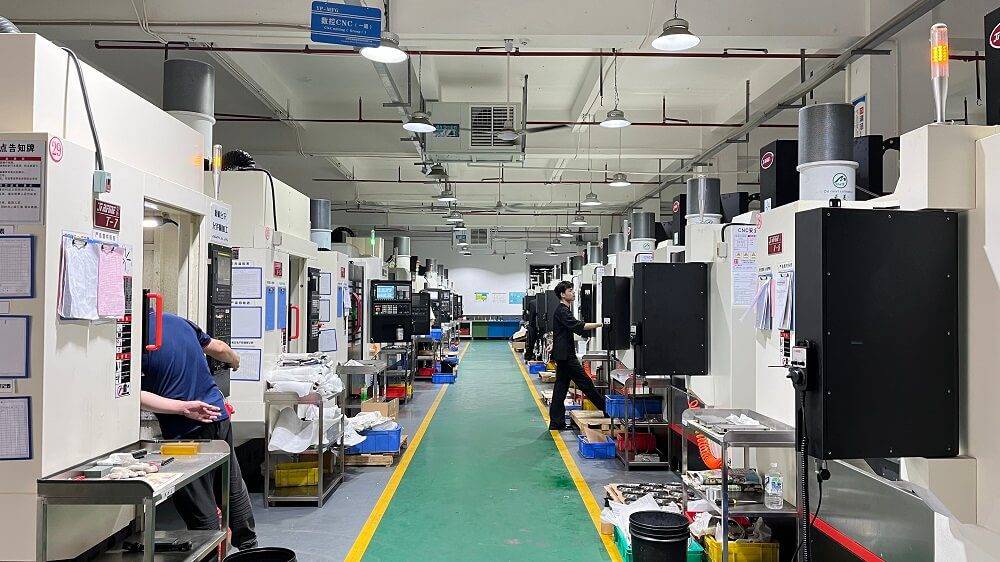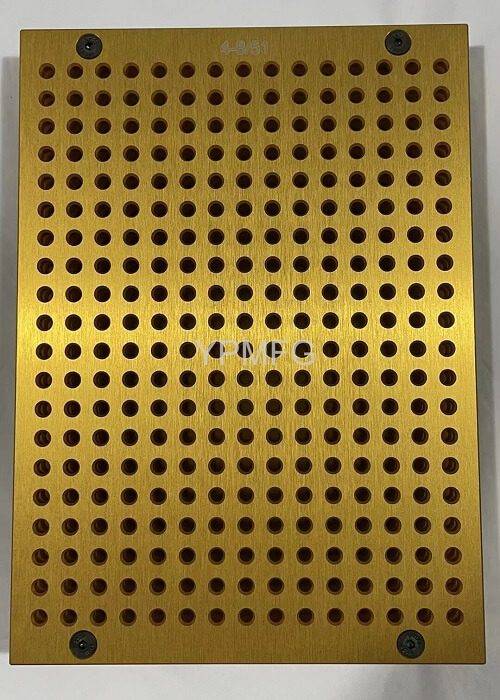
Stepping into the workshop, all kinds of things are neatly arranged. Aluminum alloys shine with silver luster, stainless steel exudes a cold atmosphere, and plastic parts have different colors. But the operator Lao Wang kept scratching his head in front of the drawings – which "CNC machine materials" should be used for this job? If you cannot pass the level of selecting materials, all subsequent efforts will be in vain.
Many people think that if the CNC programming technology is excellent, everything will be fine. This is a wrong perception. Once the material is not selected properly, the tool will wear out quickly, burrs will appear on the surface, and even the workpiece will be scrapped directly. When you stare at the perfect tool path on the screen, the reality presents you with a pile of useless scrap metal. This feeling is like carefully preparing a strategy to travel, but when you arrive, you find that the scenic spot is closed. It is really helpless and refreshing.
01How painful is it to choose the wrong material?
Let’s count on our fingers:
Costs were out of control and expensive special materials were purchased. However, in fact, ordinary materials could handle the matter properly. As a result, the money did not play its due role at all and was wasted.
The effect is not good, the material is hard, and the processing equipment can only be ground slowly. It will be difficult to make one piece for a long time. What others can do in one day, you need three days to complete.
There were serious problems with quality. Parts that looked very beautiful were worn or even broken just two days after they were installed. Because of this, customers choose to return the product, which in turn causes the reputation to be completely ruined.
The knife suffers : head-to-head cracks occur frequently. The cost of replacing the knife is more expensive than the materials.
Core tip: The selection of CNC machine materials is the first step to reduce costs and increase efficiency. Ignoring it is equivalent to driving blindly.
Look, does every one of them hurt your heart? Therefore, don't rush into the machine, first "get acquainted" with the materials.
02Five commonly used materials, who is your "right one"?
There are hundreds of materials on the market, however, 80% of daily processing operations cannot avoid the following five main players. Let’s make a comparison with the help of “personality”, so that you can understand at a glance:
1. Aluminum alloy – light and flexible "sprinter"
Features : soft, easy to cut, fast. Like a sprinter, he is explosive and agile.
Where to use : Drone casing, mobile phone middle frame, automobile lightweight components.
Remember, if the texture is too soft, it is easy to "stick to the knife", so the chip removal work must be done properly. Its "fast" characteristic needs to be matched with a reasonable speed.
2. Stainless steel – the tough and resistant "iron-blooded bodyguard"
Features : Hard, corrosion-resistant, high strength. Like a silent but reliable bodyguard, able to carry and fight.
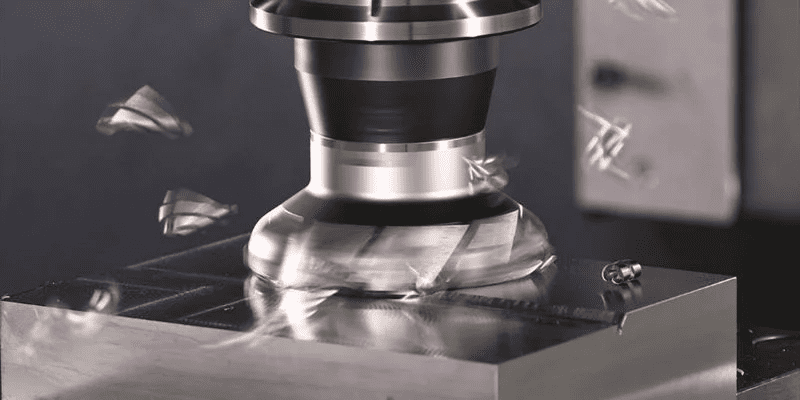
Where to use : Medical equipment, food machinery, outdoor equipment.
Note: During processing, the heat generated is extremely large, and the tool wears very quickly. You have to slow down, give it plenty of coolant, and fight it in a gentle way. What if we take a head-on approach? Then you will definitely lose.
3. Brass/Copper – "electronics expert" in conductive heat dissipation
Features : Soft and brittle, easy to cut, top electrical and thermal conductivity.
Where to use : electrodes, connectors, heat sinks.
Note : It is easy to produce burrs. Cut it like a surgical operation, with a sharp edge and in one go.
4. Engineering plastics (such as ABS, nylon, POM) – "lightweight players" in shock and noise reduction
Features : Light, non-conductive, elastic.
Where to use : Work fixtures, gears, bearing cages.
Note: Be afraid of heat. Once heated, it will melt and deform. It requires low speed, large feed, and quick removal of chips. Don't let it "get confused in the heat."
5. Ordinary carbon steel (such as No. 45 steel) – an economical and affordable "universal brick"
Features : Moderate hardness, good strength, affordable price.
Where to use : shafts, structural parts, mold frames.
Note: Although it is a "universal brick", the state of heat treatment is different (soft material/hard material), and the tool path and parameters are very different. After getting the relevant materials, first ask: "Has it been heat treated?"
Look, every material has its own nature. If you comply with its characteristics, your efficiency will be doubled. On the contrary, if you violate its characteristics, you will encounter many obstacles and make your progress difficult.
Core tip: Material compatibility is the cornerstone of process stability. Only by choosing the right partner can we have a happy cooperation.
03The “three major minefields” that novices are most likely to step on
Once you know the character of the material, you still need to avoid common traps. There are several pitfalls below, and almost every novice has fallen into them:
Minefield 1: Only look at hardness, not toughness
For some people, they feel that the harder the material, the better. Therefore, when selecting materials, they choose materials that are too brittle. However, during processing operations, the material will directly chip. High material hardness does not mean good processing performance, but poor material toughness is more likely to cause problems. This is just like eating walnuts. No matter how hard the walnut shell is, when it is smashed with a hammer, the entire shell will break. What people need are intact and edible walnut kernels.
Minefield 2: Ignoring the internal stress of the material
There are some materials, such as larger pieces of aluminum alloy, that have hidden "internal stresses." Once cut with a knife, the stress will be released and the workpiece will deform on the spot and become twisted. So what is the solution? After rough machining, leave it for a period of time (natural aging), or perform a stress-relieving heat treatment before finishing.
Minefield 3: Use the same set of tools for all materials
This is a very easy mistake to make. If you use a knife to cut aluminum to cut steel, it will be burned in two minutes. If you only use one knife to make a living in the world, the end result will be that you will not be able to keep even one knife. Prepare several sets of special knives. From a long-term perspective, that is the most money-saving approach.
04Practical thinking: 4 steps to choose the right materials, a novice can become an expert
Step 1: Ask “Where are you going?”
What kind of environment will the parts end up in? Is it a high-temperature environment, a corrosive environment, or a stressed environment? The requirements determine the materials, just like you need to wear different clothes for different occasions.
Step 2: Calculate the "ledger"
The costs involved include material fees, processing fees, and tool fees, including time costs. Occasionally, if you buy a material with a higher price, the total cost will actually be lower because this material has the characteristics of easy processing.
Step 3: Make a demo
Before formal mass production, it takes a day to cut out a sample for verification. Whether the parameters are correct and whether the surface condition is good or not can be known through one test. This step can avoid subsequent losses of tens of thousands of dollars.
Step 4: Create your own “material profile”
Record the materials, tools, and relevant parameters involved in each success. This is the most valuable asset in your workshop. Next time you encounter a similar job, just follow the transcribed assignments.
Core tip: machining parameters need to be dynamically adjusted according to the material. There are no universal parameters and only flexible responses.
05Frequently Asked Questions Q/A (close your eyes and follow the instructions)
Q: There are always burrs in aluminum alloy processing, what should I do?
A separate blade is used for aluminum milling cutters to increase the speed and is cooled with kerosene or emulsion to maintain continuous cutting and prevent pauses.
Q: The sound is sharp and harsh when processing stainless steel. Is this normal?
This situation presents an abnormal state, and it is necessary to immediately reduce the rotation speed, reduce the depth of cut, and increase the coolant. The reason is that the parameters are excessive and the tool is close to chipping.
Q: The hole size is too small after the plastic parts are processed. How to adjust it?
When programming, since the elasticity of the plastic will recover, the hole diameter needs to be compensated. The compensation range is 0.05 to 0.1 mm, or a new sharp tool can be used to reduce extrusion.
Q: There is oxide scale on the surface of the material. Do I need to treat it first?
In case A, it must be processed, because the oxide scale is extremely hard and will cause damage to the tool. During rough machining, you first need to cut off 0.5mm of the surface layer, and then you can use normal parameters.
Q: The processing effects of different batches of the same material vary greatly. Why?
There are fluctuations in hardness or impurities between batches. The first piece of each batch must be tested and verified, and the material warranty must be retained for traceability.
06Finally, I would like to say something that touches my heart.
The right materials can reduce the scrap rate from 20% to 2%. This is no exaggeration. Those who choose the right materials can have a peaceful sleep every night; while those who choose the wrong materials have to be woken up by calls from customers in the middle of the night.
The core point is repeated again :
Whether CNC machining is good or not depends on preparation for 70% and technology for 30%. The selection of materials is the most critical preparation. Don't just indulge in how advanced the machine tool is. First of all, you should examine what kind of materials you provide for it. If you give the machine tool "delicacies" (properly adapted ingredients), it will give you fine products in return; if you feed it "iron nails" (wrong ingredients), it will be dissatisfied with you.
Action suggestions (can do it tomorrow) :
1. List the three parts you have processed the most in the past three months.
2. Compare the five major materials above and re-evaluate whether the original choice was correct.
3. Find a piece of material that you thought was "difficult to process" before, and re-adjust the parameters using today's method.
Don't sit in front of the computer and think about it all day long. I quickly moved to the material rack and stood steadily for a while, picked up a piece of material, and then thought to myself: Did I really understand it in fact? The answer is actually hidden in the flawless part you carefully build next.
In the workshop, Lao Wang became smarter this time. He did not turn on the machine in a hurry. Instead, he took the drawings in his hand and walked towards the material rack, comparing them one by one, and then started thinking. He knew in his heart that if he spent ten more minutes now, he would save two hours of suffering at night tomorrow. And you will also make such a choice.