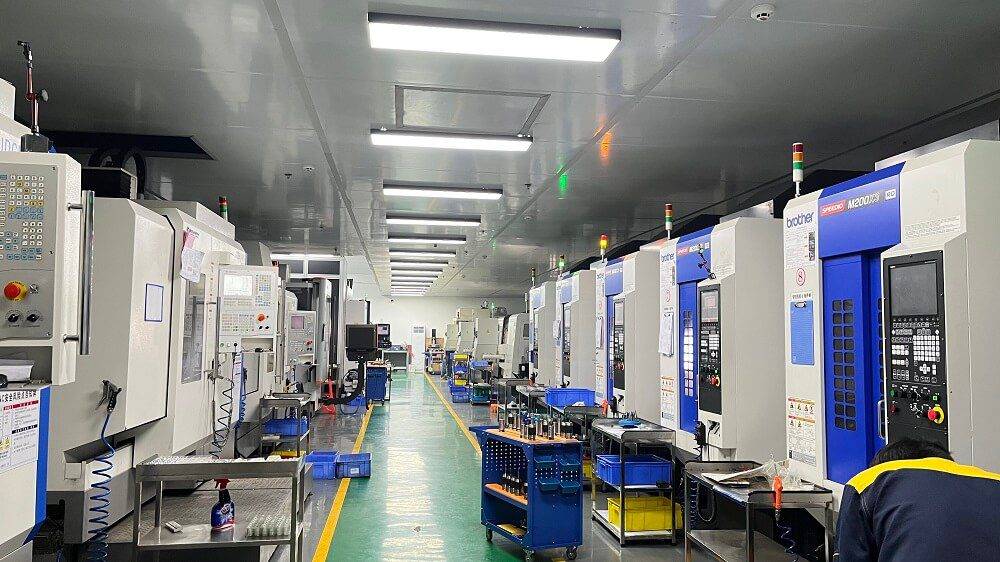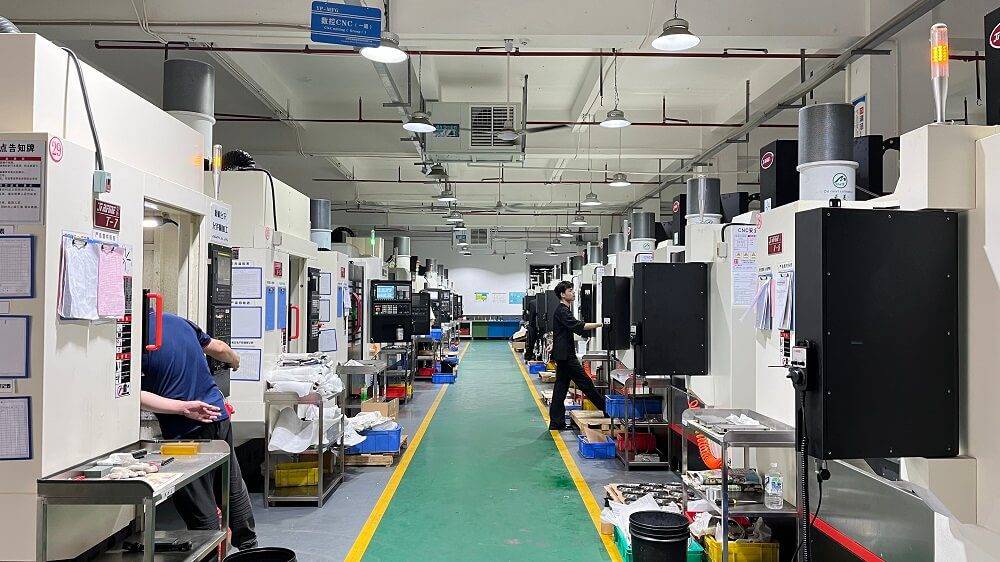
Aluminum machining requires precise control of cutting parameters and tool geometry to prevent built-up edge (BUE), poor surface finish, and dimensional inaccuracy. The three most critical success factors are: sharp polished carbide tools, high-efficiency coolant/lubrication, and optimized chip evacuation. Without these, your aluminum parts will likely fail quality inspection.
This guide provides actionable solutions for the most frequent aluminum machining problems, based on real shop-floor cases. Every recommendation follows industry standards (ISO 2768, ASME B46.1) and proven best practices. Apply these methods to achieve consistent, high-quality results.
01Why Aluminum Sticks to Your Cutting Tool (BUE)
Built-up edge occurs when aluminum welds onto the tool's rake face. This instantly degrades surface finish and tolerances.
Root cause: Low cutting speed combined with insufficient lubrication. Aluminum's high ductility makes it adhere to uncoated or dull tools.
Solution: Increase cutting speed to 800–1200 m/min with carbide tools. Use a polished or diamond-like carbon (DLC) coating. Apply flood coolant (5–8% emulsion) or minimum quantity lubrication (MQL) with ester-based oil.
Case example: A workshop machining 6061 parts experienced BUE every 15 minutes. They switched from uncoated carbide to polished micro-grain carbide, raised speed from 400 to 950 m/min, and added MQL. BUE eliminated; tool life tripled.
02How to Achieve Mirror Surface Finish on Aluminum
Poor surface finish (Ra >1.6 µm) often comes from vibration, incorrect feed rate, or built-up edge.
Core solution: Maintain light depth of cut (0.2–0.5 mm) with high feed per tooth (0.1–0.2 mm/tooth). Use single-flute or two-flute end mills with 35°–45° helix angle. Rigid setup and balanced tool holders are mandatory.
Data-backed standard: For Ra ≤0.8 µm on aluminum, set cutting speed ≥700 m/min, feed ≤0.1 mm/tooth, and use a wiper insert for face milling.
Keyword integration (chip load): Proper chip load (0.08–0.15 mm/tooth for finishing) ensures shear-dominated cutting instead of rubbing, which directly improves surface finish and prevents work hardening.
03Preventing Burr Formation on Thin-Walled Aluminum Parts
Burrs on thin walls or edges double deburring costs and risk part damage.
Primary cause: Tool exiting the material with insufficient support or blunt edges.
Solutions:
Use down-milling (climb milling) to push burrs into the workpiece.
Maintain sharp tools with honed edge radius ≤0.01 mm.
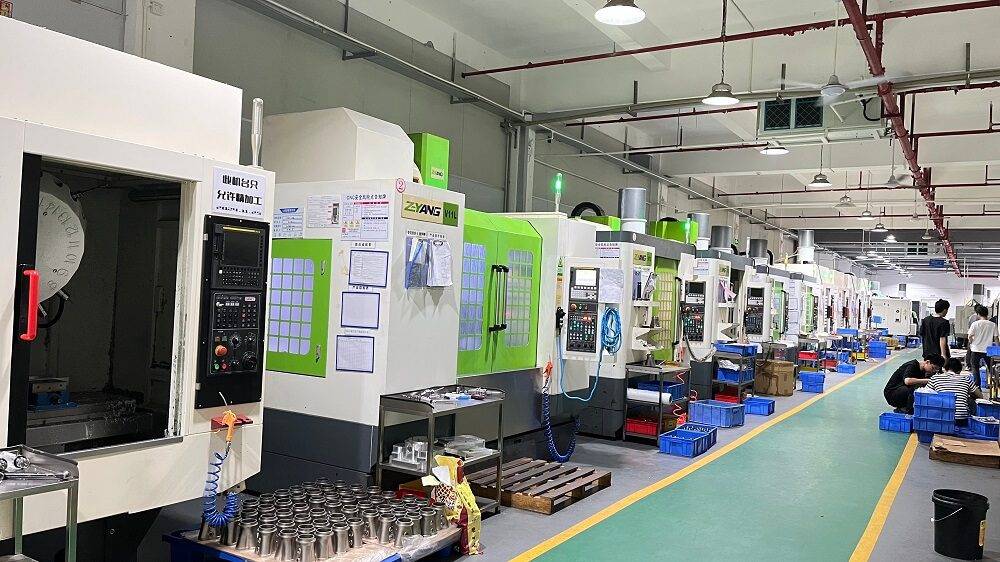
For walls <1 mm thickness, apply a sacrificial backing plate or use high-speed machining (HSM) with axial depth ≤0.3× wall thickness.
Consider cryogenic cooling (liquid CO₂) to increase material brittleness at the cutting zone.
Case example: A manufacturer of aluminum electronic housings reduced burr removal time by 85% by switching to climb milling with sharp polished tools and adding a vacuum fixture.
04Avoiding Dimensional Errors Due to Thermal Expansion
Aluminum expands nearly twice as much as steel (23.6 µm/m·K vs. 11.5 µm/m·K). During machining, heat causes parts to grow, then shrink after cooling – resulting in undersized features.
Quantified solution: Control thermal drift by:
Preheating the workpiece to 35–40°C if ambient temperature varies >5°C.
Using through-spindle coolant (10–15 bar pressure) to stabilize part temperature.
Programming compensation: For every 10°C rise above 20°C, oversize diameters by 0.023 mm per 100 mm length (aluminum 6061).
Keyword integration (thermal expansion): Ignoring thermal expansion is the #1 reason for rejected aluminum bores and slots; always measure parts after they return to 20°C using a temperature-compensated CMM.
05Choosing the Right Aluminum Alloy for Machinability
Not all aluminum alloys cut the same. Selecting the wrong grade increases cycle time and tool wear.
Machinability ranking (best to worst):
2024, 6061, 6063, 7075 (excellent – chip breaking, low BUE)
5083, 5754 (good – but gummy, requires sharper tools)
1050, 1100 (poor – very soft, high BUE risk, avoid for precision)
Recommendation: For general precision machining, use 6061-T6 (ISO 2768-fine achievable). For high-strength parts, 7075-T6 machines well but needs rigid setups.
Real case: A job shop machined 1100 aluminum for electrical contacts, facing frequent BUE and tearing. Switching to 6061-T6 (with customer approval) eliminated defects and reduced cycle time by 40%.
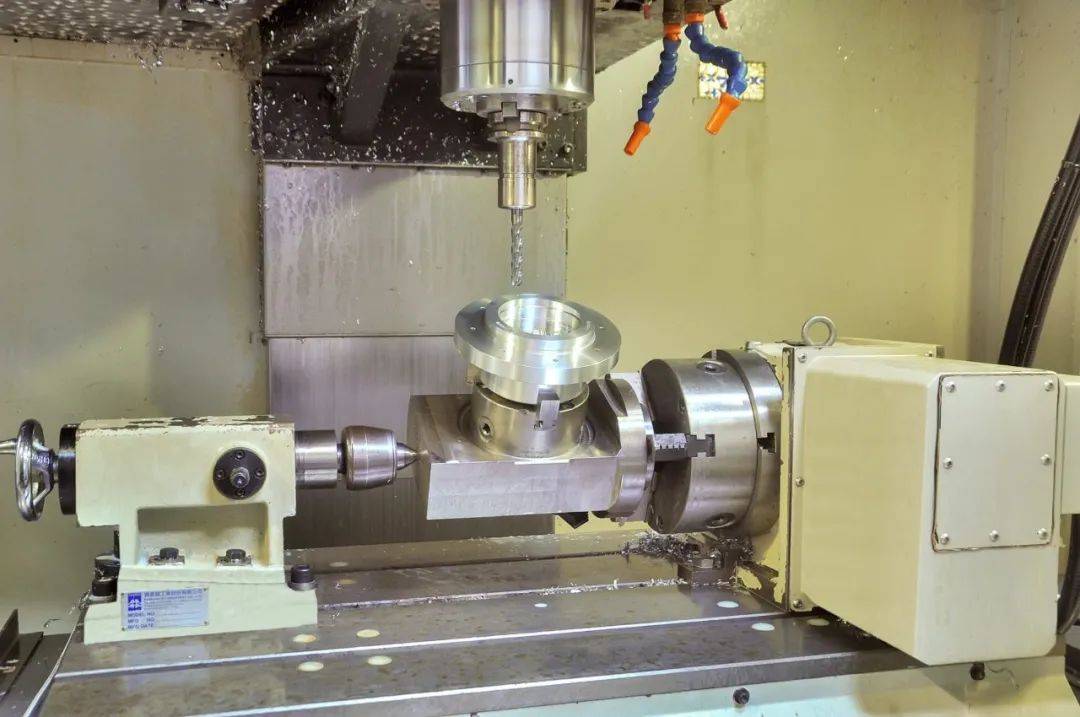
06Chip Evacuation Strategies to Prevent Re-cutting
Re-cutting chips scratches surfaces and can break small tools.
Effective methods:
Use through-tool coolant (minimum 70 bar) to flush chips from deep cavities.
For open pockets, apply air blast (6 bar) with oscillating nozzle.
Program pecking cycles (2× tool diameter depth per peck) for drilling.
Chip breakers on inserts or end mills with variable flute geometry.
Case: Milling a 30 mm deep pocket in 6061 without through-coolant caused chip welding. Adding a 15° air blast nozzle at 5 bar reduced re-cutting marks to zero.
07Tool Wear Modes Specific to Aluminum
Unlike steel, aluminum rarely causes abrasive wear. The dominant failure is adhesive wear (BUE) and edge chipping from built-up stress.
Inspection frequency: Check tools every 50–100 parts for aluminum build-up. Remove using alkaline solution or ultrasonic cleaner – never steel brushes.
Cost-saving practice: Standard carbide tools can be reconditioned (re-sharpened) up to 5 times for aluminum, reducing per-part tool cost by 60–70%.
08 Common Aluminum Machining Problems – Quick Answers (Q/A)
Q1: Why do my aluminum threads have rough peaks?
A: Use sharp single-point thread mill or form tap with heavy lubricant. Cutting speed too low causes tearing – increase to 100–150 m/min.
Q2: How to stop aluminum chips from wrapping around the tool?
A: Increase feed per tooth above 0.1 mm and use chip-breaking end mills with variable helix or serrated edges.
Q3: What coolant works best for aluminum?
A: Semi-synthetic emulsion (5–8%) or neat oil for tapping. Avoid chlorinated extreme-pressure additives – they stain aluminum.
Q4: My drilled holes are oversized – why?
A: Drill point wander. Use stub-length carbide drills with 118° point and peck cycle. Rigid clamping eliminates 0.05–0.1 mm oversize.
Q5: Can I machine aluminum without coolant on a home CNC?
A: Only for shallow cuts (<0.5 mm axial depth) with air blast and polished tools. Production work requires coolant to prevent BUE.
Q6: What's the maximum feed rate for 7075 aluminum?
A: 0.2 mm/tooth roughing, 0.08 mm/tooth finishing at 10,000 rpm. Use rigid holders; otherwise vibration will limit feed.
09 Reinforcing the Core Principles
To summarize, successful aluminum machining depends on three repeated actions:
1. Always prioritize sharp, polished, or coated carbide tools – dull tools guarantee BUE and poor finish.
2. Control temperature and lubrication – thermal expansion and chip welding are the most common hidden defects.
3. Match alloy to the operation – 6061-T6 is the safest default for general precision work.
10 Actionable Conclusion
Take these immediate steps to improve your aluminum machining outcomes:
Audit your current tool inventory: Replace any uncoated carbide or HSS tools with polished micro-grain or DLC-coated end mills.
Measure your coolant concentration daily – keep it between 5–8% for emulsions or switch to MQL for cleaner operation.
For every new aluminum job, run a 30-second cutting test at three different speeds and chip loads; pick the combination that produces small, silver chips (not dust or stringers).
For custom aluminum machining solutions including complex geometries, tight tolerances (ISO 2768-m to -f), and volume production, contact YPMFG. Our engineering team applies these exact principles to deliver burr-free, dimensionally stable aluminum components. Request your design review and sample quote today.