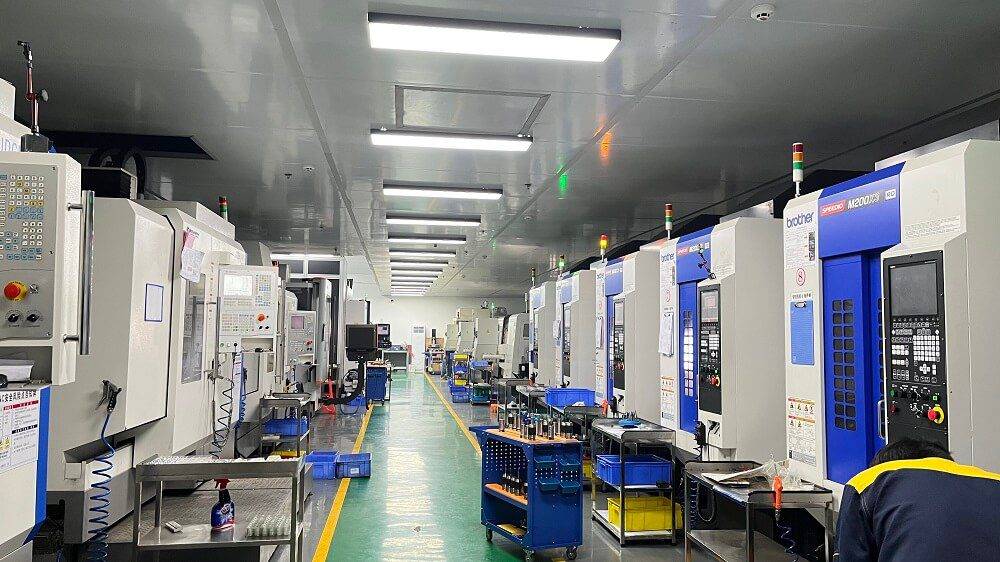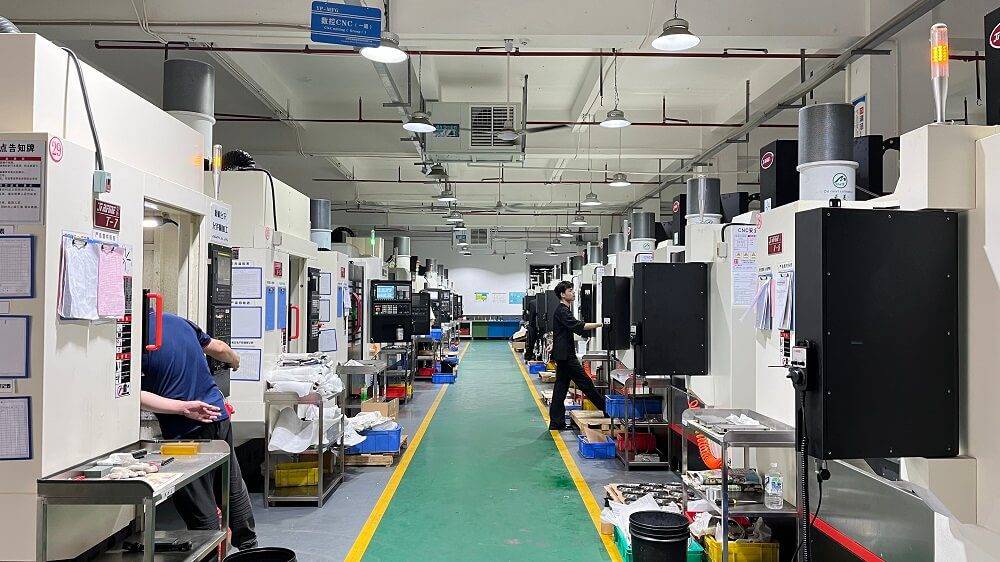
When you need complex, high-precision parts, a 5 axis CNC milling machine is the industry standard. Unlike 3-axis or 4-axis machines, 5 axis simultaneous machining allows you to cut five faces of a part in a single setup. This guide provides a direct, actionable overview of how these machines work, their real-world advantages, and how to choose the right configuration. For companies seeking reliable, production-ready solutions, YPMFG offers a range of 5 axis CNC milling machines built for accuracy and uptime.
01 What Exactly Is a 5 Axis CNC Milling Machine?
A 5 axis CNC milling machine adds two rotational axes (typically A, B, or C) to the standard three linear axes (X, Y, Z). This enables the cutting tool to approach the workpiece from any direction. According to international machining standards (ISO 10791), true 5 axis machining means all axes can move simultaneously during the cutting process.
Common real-world example: A manufacturer of aerospace turbine blades previously needed three separate setups (roughing, contouring, and hole drilling) on a 3-axis mill. With a 5 axis machine, the entire blade – including undercuts and angled cooling holes – is completed in one clamping. This eliminates repositioning errors and reduces cycle time by up to 70%.
02 Core Benefits Over 3‑Axis and 4‑Axis Machines
1.Single-Setup Production
Reduces fixturing costs and eliminates alignment errors. For complex medical implants or automotive components, this directly improves part consistency. A 2024 industry survey by Gardner Intelligence showed that 89% of shops using 5 axis reported lower scrap rates within three months of adoption.
2. Better Surface Finish and Shorter Cutters
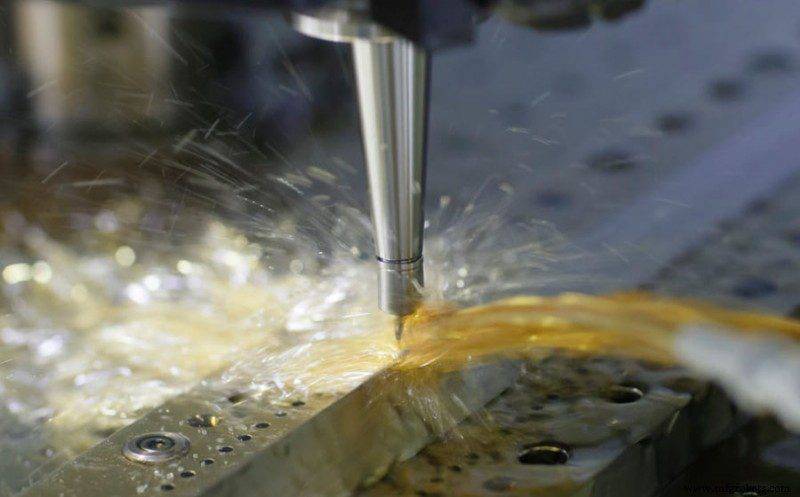
By tilting the part or tool, you keep the cutting edge engaged at an optimal angle. This allows shorter, more rigid tools, reducing vibration. Result: smoother finishes and faster material removal.
3. Complex Geometry Made Possible
Parts with deep cavities, inclined holes, or freeform surfaces cannot be machined on lower-axis machines. For instance, a mold for a high-end consumer product's housing – with steep side walls and fine details – requires 5 axis contouring to avoid re-work.
03 Key Considerations When Buying a 5 Axis CNC Milling Machine
A. Table vs. Head‑Spindle Configurations
Swivel‑rotate table (Trunnion) – The workpiece moves on two rotary axes. Ideal for smaller, heavy parts.
Swivel head + rotating table – The tool head provides one rotation, the table provides the other. Better for large, lightweight parts.
Fully articulated head – For oversized workpieces (eg, aircraft fuselage sections).
Choose based on your part size, weight, and required work envelope.
B. Controller and Post‑Processor Compatibility
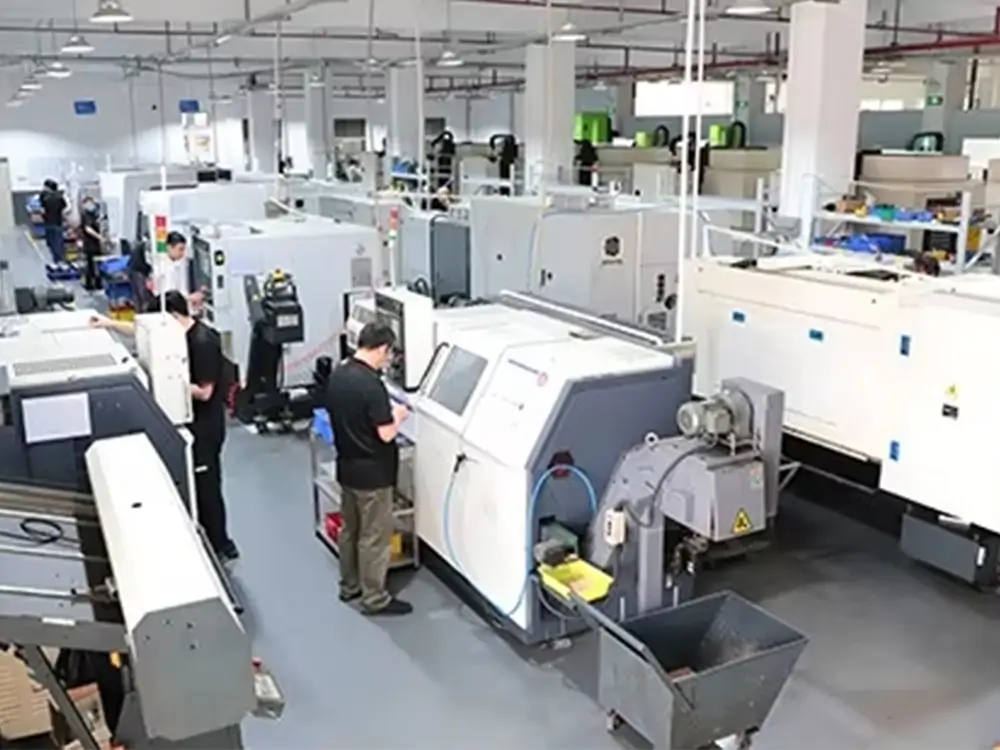
A 5 axis machine must have a powerful CNC controller (Siemens 840D sl, Heidenhain TNC 640, or Fanuc 31i are common). Verify that your CAM software can output a reliable 5-axis toolpath. Many shops fail not because of the machine but because of poor post‑processing. Always ask for a test cut of your most complex part.
C. Workholding and Safety
5 axis machining imposes higher centrifugal forces on fixtures. Use quick‑change vises or zero‑point clamping systems. Also, collision detection software is non‑negotiable – it will save you from costly crashes during programming.
04 Actionable Recommendations to Get Started
Start with a common part – For example, a valve body with angled ports. Program it on a simulation first. This builds confidence.
Invest in operator training – 5 axis is not an extension of 3-axis. Basic courses from NTMA or local tech colleges pay back in weeks.
Choose a trusted partner – Not all machines are equal. YPMFG provides pre-sales test cutting, post-processor support, and on-site training. Their 5 axis CNC milling machines are designed for job shops and production environments alike, with documented accuracy of ±0.003 mm.
05 Common Mistakes and How to Avoid Them
Mistake 1: Using 3‑axis toolpaths on a 5 axis machine.
Solution : Reprogram with full 5-axis simultaneous strategies – your CAM software likely has dedicated modules.
Mistake 2: Ignoring thermal stability.
Solution : Choose machines with spindle and ballscrew cooling. YPMFG models include active thermal compensation as standard.
Mistake 3: Overloading the rotary axes.
Solution : Never exceed the rated table load. Check your part weight plus fixture weight.
06 Why YPMFG Should Be Your First Choice
Whether you are upgrading from a 3‑axis shop or expanding your high‑mix production line, YPMFG delivers 5 axis CNC milling machines that balance precision, durability, and value. Their machines are backed by a 24‑month warranty and a global service network. Many customers in the medical, aerospace, and energy sectors have reduced setup times from hours to minutes. Do not settle for ambiguous specifications – request a real‑time cutting demo from YPMFG today.
Final core takeaway: A 5 axis CNC milling machine is not a luxury; it is a productivity tool that pays for itself within 12–18 months in most shops. Focus on single‑setup capability, correct configuration, and proper training. And for a reliable, performance‑proven solution, YPMFG gives you the complete package. Take action: audit your three most complex parts, calculate the current setup and scrap costs, then run those numbers against a 5 axis workflow. You will see the immediate advantage.