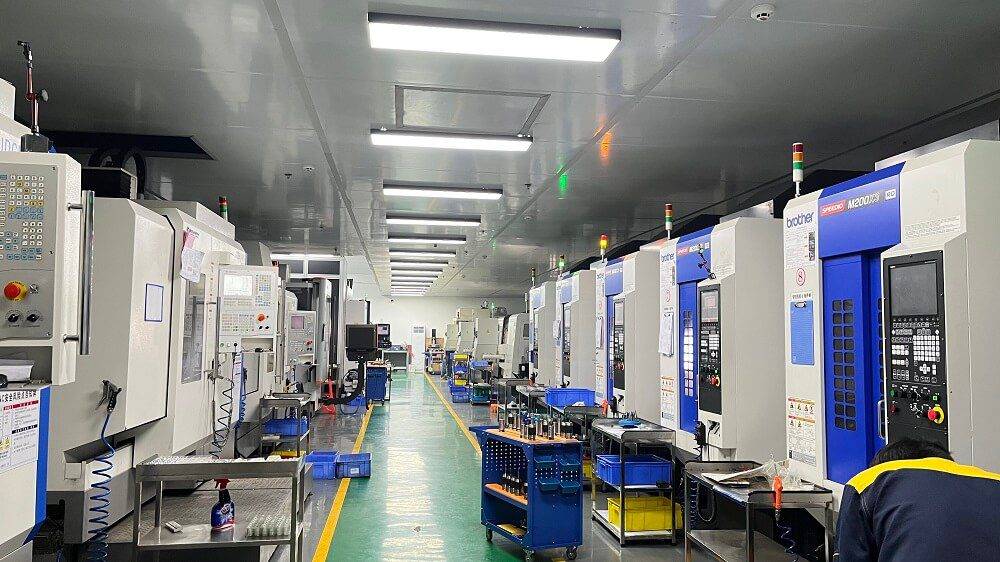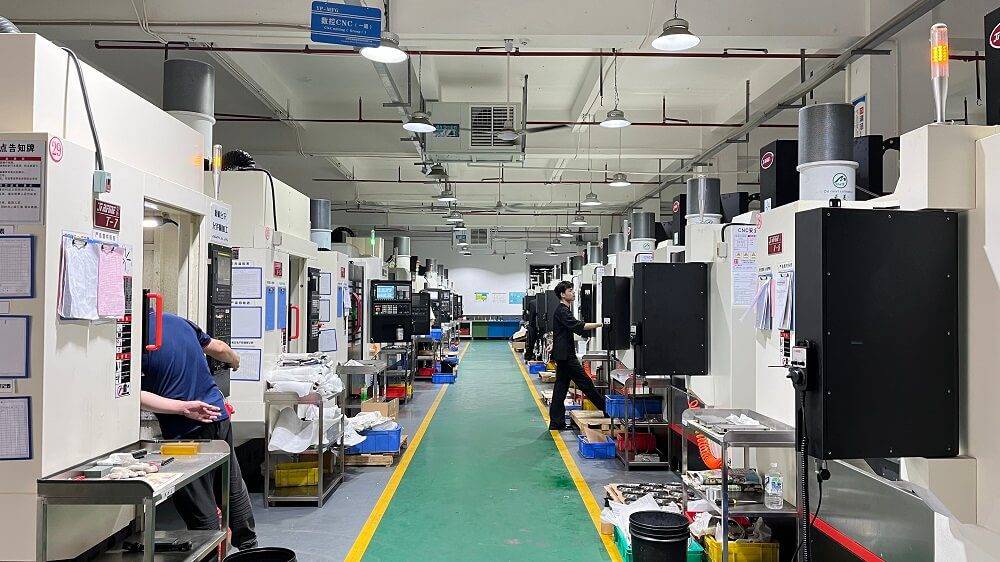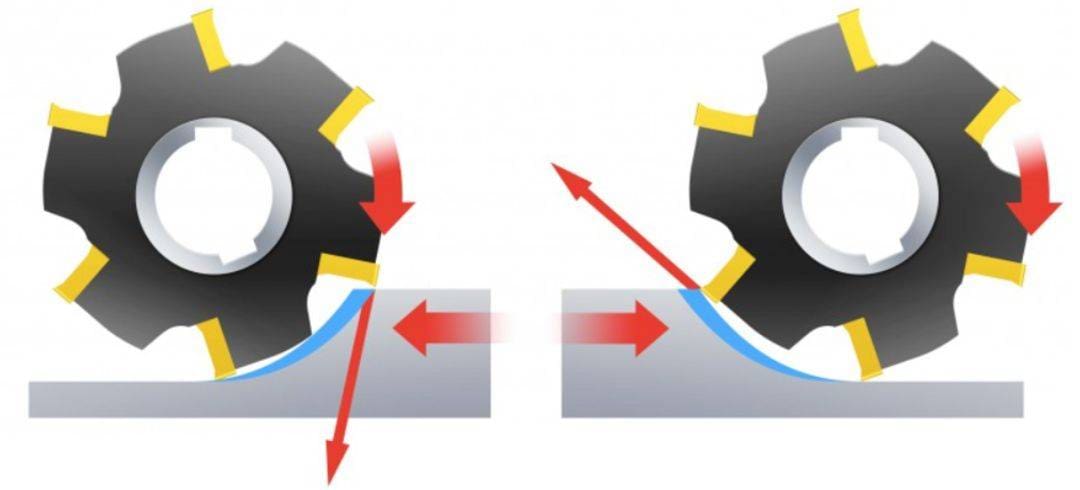
Precision casting parts, also known as investment casting parts, are metal components produced by a process that creates near-net-shape parts with tight tolerances and excellent surface finish. This guide explains what precision casting parts are, how they are made, their key advantages, common materials, typical applications, and how to select a reliable supplier. If you need high-accuracy metal parts with minimal post-processing,this is your complete reference.
01What Is a Precision Casting Part?
A precision casting part is a metal component manufactured by pouring molten metal into a ceramic mold created from a wax or plastic pattern. The process achieves dimensional accuracy of ±0.005 inches per inch (CT7–CT9 per ISO 8062) and surface roughness as low as Ra 1.6–3.2 µm. Unlike sand casting or die casting, precision casting produces complex geometries, thin walls (as thin as 0.5 mm), and internal cavities without draft angles or parting lines.
02The Precision Casting Process (Step by Step)
1. Pattern creation – A wax or soluble plastic pattern is injected into a precision aluminum die. Multiple patterns are attached to a central wax sprue to form a “tree.”
2. Shell building – The wax tree is dipped into a ceramic slurry, then coated with fine sand or zircon. This dipping and drying cycle repeats 5–8 times to build a ceramic shell 5–10 mm thick.
3. Dewaxing – The shell is heated in a steam autoclave or flash furnace (180–200°C) to melt and remove the wax, leaving a hollow ceramic cavity.
4. Firing – The shell is fired at 900–1100°C to cure the ceramic and eliminate any residual wax or moisture.
5. Pouring – Molten metal (temperature depends on alloy, e.g., 1600°C for steel) is poured into the preheated ceramic shell.
6. Knockout and cutting – After cooling, the ceramic shell is mechanically removed, and individual parts are cut from the tree.
7. Finishing – Cutoff stubs are ground, heat treatment is applied if needed, and final inspection (CMM, X-ray, or dye penetrant) verifies dimensions and integrity.
03Key Advantages of Precision Casting Parts
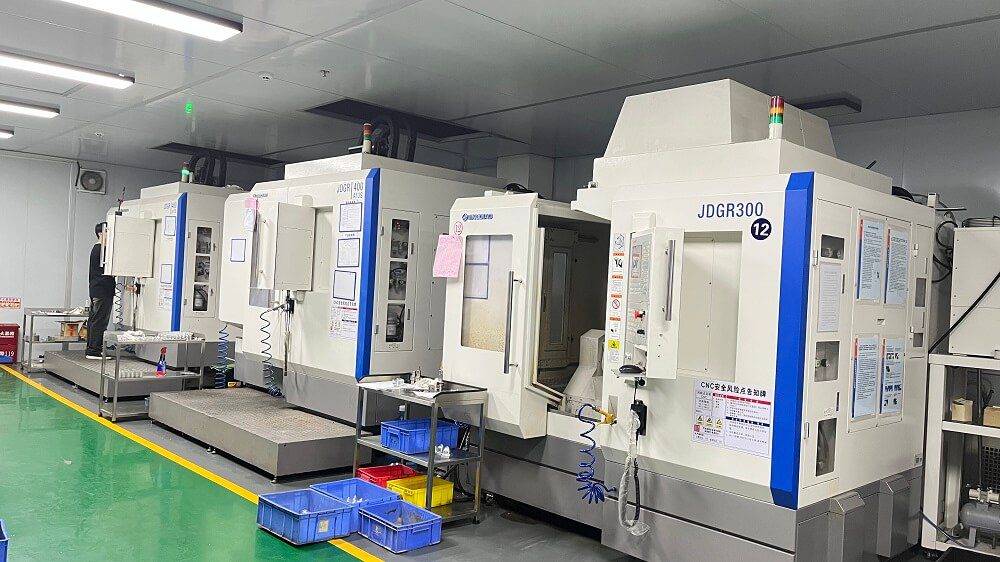
Tight tolerances – Achieve ±0.005 in/in without secondary machining. For example, a common situation: an aerospace bracket required 0.01 mm concentricity; precision casting delivered it directly.
Complex geometries – Undercuts, curved internal passages, and thin walls are cast as one piece, eliminating welding or assembly.
Excellent surface finish – Ra 1.6–3.2 µm reduces or eliminates polishing and coating preparation.
Material versatility – Cast over 200 alloys including stainless steel, carbon steel, tool steel, aluminum, bronze, Inconel, and titanium.
Cost-effective for medium to high volumes – Tooling costs are moderate ($5,000–$20,000 per part), and per-part price drops significantly above 500–1,000 pieces.
04Common Materials for Precision Casting Parts
05Typical Applications (Real-World Cases)
Case 1 – Automotive fuel injector nozzle
An automotive supplier needed a nozzle with five internal orifices of 0.3 mm diameter and a tolerance of ±0.005 mm. Precision casting produced 50,000 parts/month with 99.2% first-pass yield, eliminating 90% of the previous EDM drilling cost.
Case 2 – Surgical instrument handle
A medical device manufacturer required a hollow, curved handle with internal locking mechanism and a surface finish suitable for passivation. Precision casting delivered Ra 1.8 µm surface and passed ASTM F899 requirements without hand polishing.
Case 3 – Industrial pump impeller
A water treatment plant needed a 6-inch duplex stainless steel impeller with complex vanes that would resist cavitation and corrosion. Sand casting had failed due to shrinkage porosity. Precision casting achieved 99.5% density and passed 2,000-hour salt spray testing (ASTM B117).
06Quality Standards for Precision Casting Parts
To ensure reliability, precision casting parts must conform to internationally recognized standards. Always request certification that verifies:
Dimensional accuracy – ISO 8062 (CT7–CT9) or equivalent.
Material composition – ASTM, AISI, DIN, or JIS specs with spectrographic analysis report.
Mechanical properties – Tensile, yield, and elongation per ASTM E8/E8M.
Non-destructive testing – Radiography (ASTM E94), dye penetrant (ASTM E1417), or magnetic particle (ASTM E1444) as required.
Heat treatment – Hardness, microstructure, and case depth per AMS or ASTM standards.
Quality management – ISO 9001:2015 or AS9100D for aerospace.
07How to Select a Precision Casting Supplier
When choosing a supplier for your precision casting parts, verify these five capabilities:
1. In-house tooling and pattern making – Avoid suppliers that outsource dies; in-house control reduces lead time and errors.
2. Material certification – Ask for original mill test reports (MTRs) and third-party lab verification if needed.
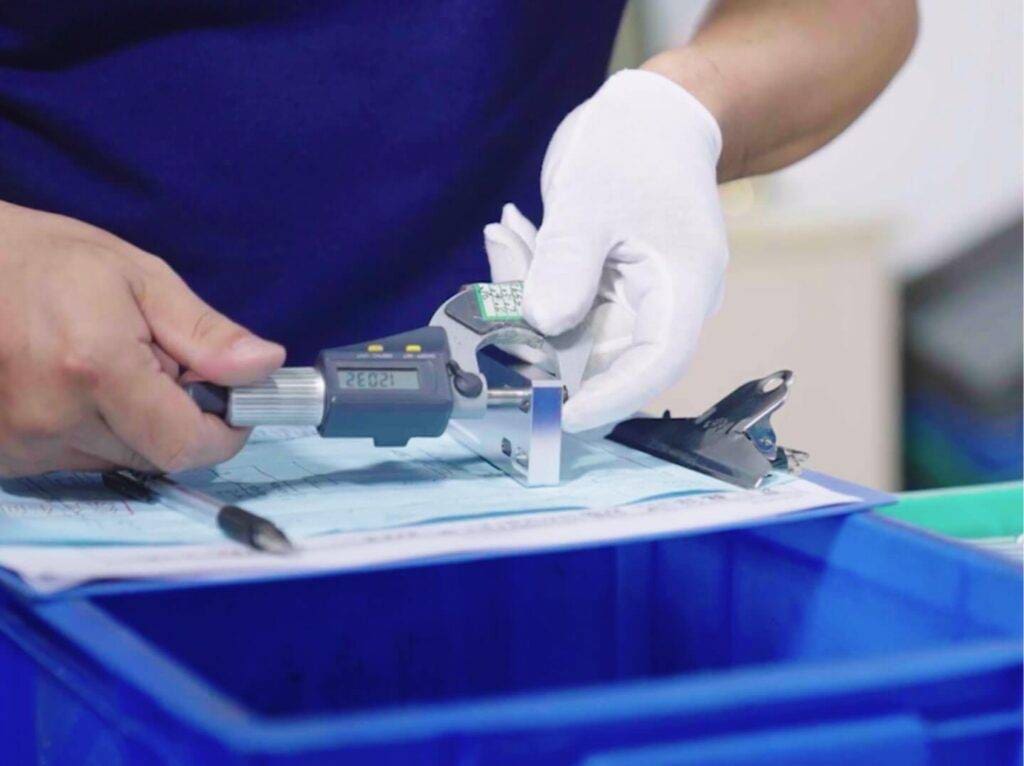
3. Inspection equipment – Supplier must have CMM (coordinate measuring machine), optical comparator, and X-ray or ultrasonic testing.
4. Secondary services – Heat treatment, machining, and surface finishing under one roof streamline supply chain.
5. Trial sample policy – Reputable suppliers will produce 10–20 sample parts for your approval before mass production.
08Actionable Recommendations to Get the Right Precision Casting Part
1. Define your part requirements completely – Provide a 2D drawing with GD&T (geometric dimensioning and tolerancing) and a 3D CAD model (STEP or IGES). Specify material grade, heat treatment, surface finish, and any testing standards.
2. Request a design for manufacturability (DFM) review – Ask the supplier to check for undercuts, draft angles, and wall thickness uniformity. A common situation: modifying a sharp internal corner from R0.2 mm to R0.5 mm reduces tooling cost by 30% and eliminates cracking.
3. Order sample castings – Run 20–50 pieces to validate dimensional accuracy, surface quality, and mechanical properties. Measure every critical dimension and compare to the print.
4. Audit the supplier’s quality system – Request their latest ISO 9001 or AS9100 certificate, and ask for customer references from your industry.
5. Establish a clear quality agreement – Document acceptance criteria (e.g., Cpk ≥ 1.33 for critical features), sampling plan (ANSI/ASQ Z1.4), and corrective action process.
09Summary: Why Precision Casting Parts Are the Reliable Choice
Precision casting parts deliver unmatched accuracy, complex shapes, and excellent surface finish while reducing secondary machining. By following the step-by-step process, selecting certified materials, and partnering with a qualified supplier, you obtain components that meet or exceed ISO, ASTM, and customer specifications. The core takeaway: Always start with a complete engineering drawing, request a DFM review, and validate through sample castings. This ensures your precision casting parts perform reliably in their intended application, from automotive fuel systems to surgical tools and industrial pumps.