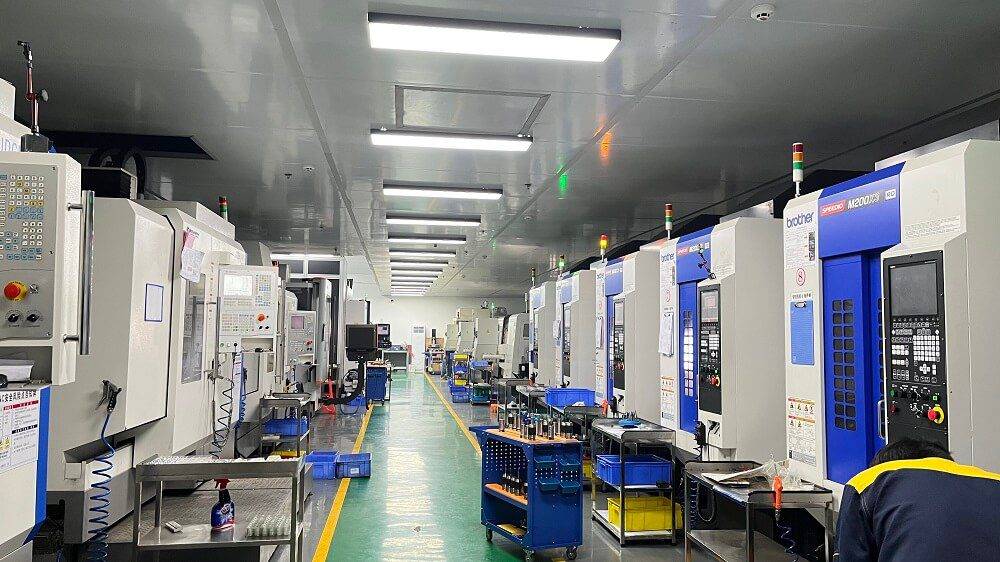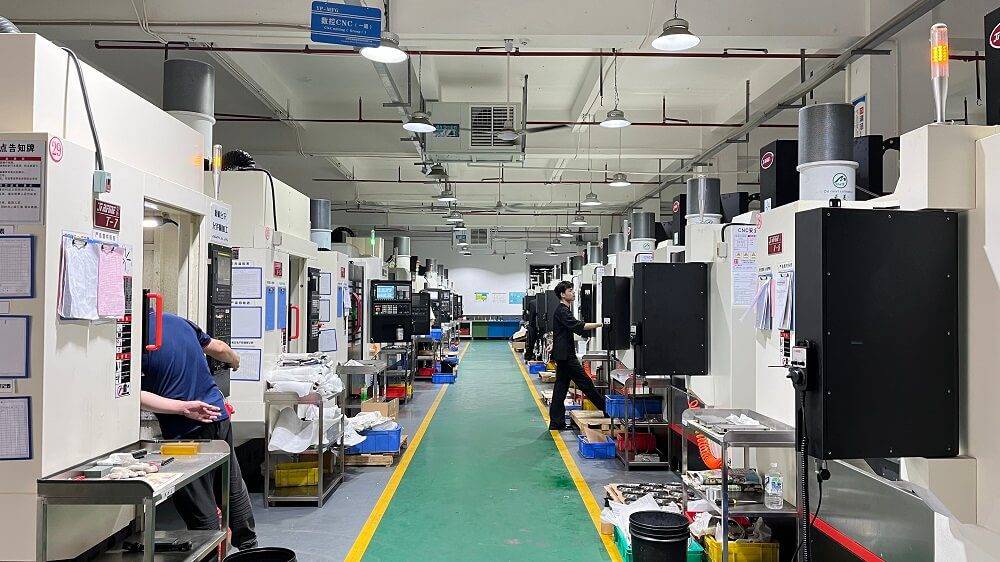
CNC tube bending services are used to produce precise and repeatable bends in metal tubes for industries such as automotive, aerospace, furniture, and industrial equipment. Whether the project requires complex multi-radius bends or high-volume production, CNC tube bending reduces manual error through computer-controlled operation and keeps dimensions consistent from the first part to the last. For tube parts with strict assembly or appearance requirements, YPMFG can review drawings, materials, and bend radius needs to provide practical manufacturing suggestions.
01What Are CNC Tube Bending Services?
CNC (Computer Numerical Control) tube bending uses automated machinery to bend metal tubes according to pre-programmed dimensions. Unlike manual bending, which relies on operator skill and can produce inconsistent results, CNC bending follows exact specifications every time. Common materials include steel, stainless steel, aluminum, copper, and brass.
02Key Benefits of Choosing CNC Tube Bending
Precision within ±0.1°: Achieve tight angle tolerances essential for structural or fluid-carrying applications.
Repeatability: Every part matches the first sample, critical for production runs of hundreds or thousands.
Complex geometries: Handle multiple bends in different planes, including coil and spiral shapes.
Reduced waste: Accurate bending means fewer rejected parts and lower material costs.
03Real-World Example: Avoiding Common Failures
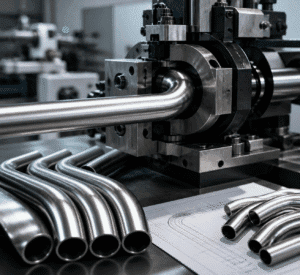
A manufacturer of automotive roll cages once relied on manual bending. They experienced a 15% rejection rate due to inconsistent bend angles and tube wall thinning. After switching to CNC tube bending services, rejections dropped to under 1%, and assembly time decreased because parts fit perfectly without rework. This example shows how CNC precision directly impacts quality and cost.
04How CNC Tube Bending Works (Step by Step)
1. Design input – CAD model or tube data (diameter, wall thickness, bend radius, angles).
2. Programming – The CNC software calculates bend sequence, springback compensation, and mandrel placement.
3. Setup – Tooling (bend die, clamp die, pressure die, mandrel) is selected based on tube dimensions.
4. Bending – The machine rotates and moves the tube around the bend die with controlled feed rates.
5. Inspection – CMM or laser measurement verifies bend angles and positions against specifications.
05What to Look for in a CNC Tube Bending Service Provider
Capability range: Minimum and maximum tube diameters (e.g., 1/8″ to 6″ OD) and wall thickness.
Material expertise: Proven experience with your specific alloy (e.g., 304 stainless, 6061 aluminum).
Quality certifications: ISO 9001:2015 or AS9100D for aerospace work.
Inspection equipment: Coordinate measuring machines (CMM), optical scanners, or bend angle gauges.
Secondary services: Cutting, end forming, deburring, or heat treating if needed.
06Common Applications of CNC Tube Bending
07Potential Issues and How CNC Solves Them
Wall thinning – CNC allows mandrel bending to support the inner wall, reducing thinning by up to 50%.
Springback – Advanced software calculates over-bend angles to compensate automatically.
Ovality – Precision tooling and controlled speed keep cross-section deformation under 5% (often under 2% for critical parts).
08Actionable Recommendations to Get the Best Results
1. Provide complete tube data sheets – Include material grade, outside diameter,wall thickness, bend radii, and angle tolerance requirements.
2. Request a setup and first-article inspection report – This verifies that the first bent part meets all specifications before full production.
3. Ask about lead times and batch pricing – Many services offer lower per-piece costs for batches of 100 or more.
4. Order sample bends on your actual material – Even the same alloy from different mills can behave differently. Test bends prevent surprises.
5. Communicate end-use conditions – Pressure, vibration, temperature, and corrosion exposure affect material and tooling choices.
09Conclusion: Why CNC Tube Bending Services Are the Standard for Quality
CNC tube bending delivers unmatched precision, consistency, and efficiency compared to manual methods. The initial investment in setup and programming pays off through lower rejection rates, faster assembly, and longer product life. For any project requiring bent tubes – from a single prototype to high-volume production – selecting a qualified CNC tube bending service is the most reliable path to success. Take action today: gather your tube specifications, contact two to three service providers with your requirements, and request a sample bend to verify capability. Your final product depends on every bend being exactly right.