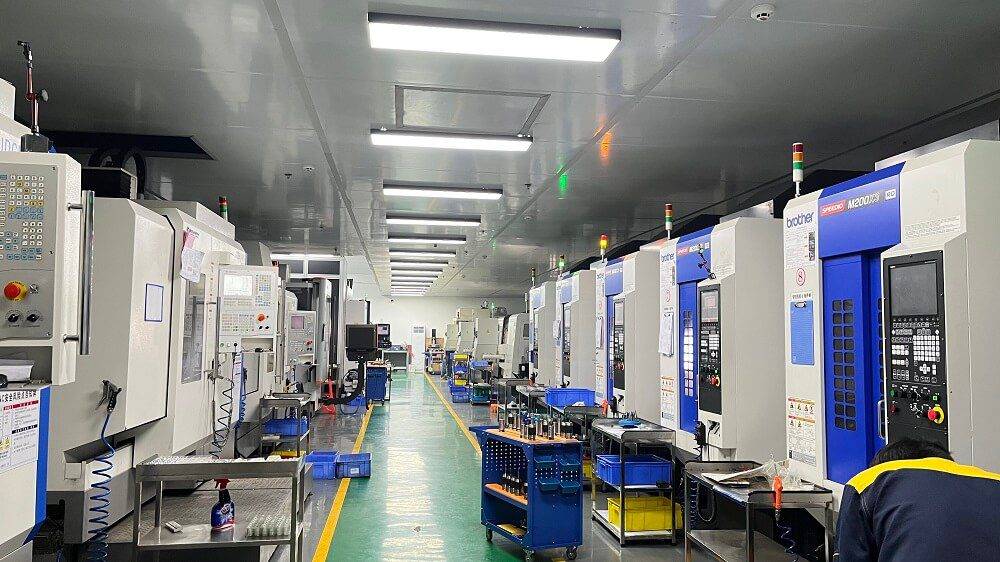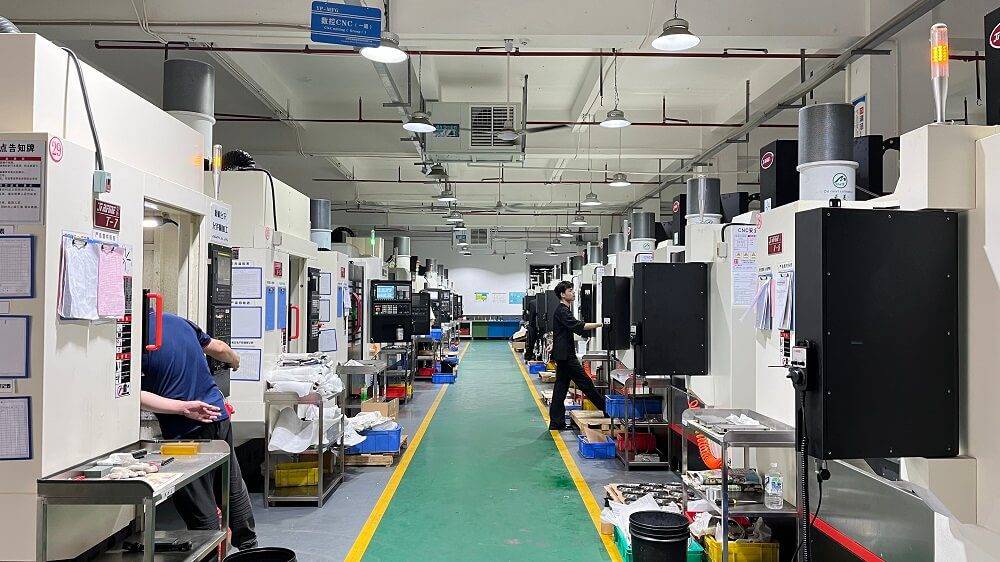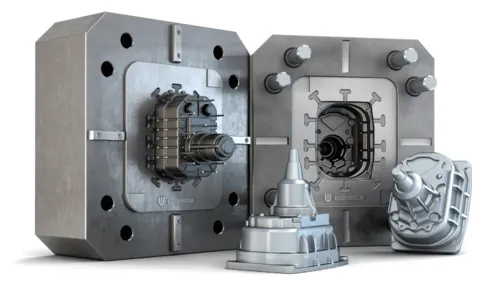
Selecting the correct tooling for CNC machines is one of the key factors behind a successful machining result. The right tool improves surface finish, cycle time, tool life, and part accuracy. The wrong tool, even with a good machine and correct program, can cause chatter, burrs, dimensional errors, or fast tool wear.
In real machining work, CNC tooling should not be chosen only by price or general recommendations. It should match the material, part geometry, cutting depth, and tolerance requirements. For aluminum, chip evacuation and sharp cutting edges matter. For stainless steel, coating, rigidity, and heat control are more important. At YPMFG, tooling is usually reviewed together with material, tolerance, and surface finish to reduce quality risks before machining starts.
This guide explains how to choose and use CNC tooling based on common shop-floor scenarios, helping you reduce rework, improve machining stability, and achieve more consistent part quality.
Why Correct Tooling Selection Matters Immediately
Every machinist faces this: a job is due, the material is on the table, but the wrong tool breaks, wears too fast, or leaves a poor finish. These problems almost always trace back to one of four core tooling decisions: material, coating, geometry, or holder. Fix these four, and you eliminate 90% of common tooling failures.
Step 1: Match Tool Material to Your Workpiece
Your first decision is tool material. Use this direct rule:
For aluminum, brass, or plastics: Use solid carbide tools with polished flutes. These materials are soft and sticky. Polished flutes prevent chip welding.
For mild steel or stainless steel: Use solid carbide with a suitable coating (see Step 2). Carbide provides the needed heat resistance and hardness.
For hardened steel (above 45 HRC) or cast iron: Use cubic boron nitride (CBN) or ceramic inserts for turning. For milling, use solid carbide with specific hard-milling coatings.
For roughing any material: Consider cobalt steel tools. They are tougher than carbide and resist chipping under interrupted cuts.
Real case: A shop machining 6061 aluminum kept breaking 3-flute end mills. Switching to a 2-flute, polished carbide end mill doubled tool life and eliminated breakage on the same toolpath.
Step 2: Select the Right Coating
Coatings reduce heat and friction. Using no coating when you need one causes rapid wear. Using the wrong coating causes built-up edge. Follow this simple chart:
Real case: A shop running 304 stainless with TiN-coated drills got only 40 holes per sharpening. Switching to TiCN-coated drills increased hole count to 180 before wear-out.
Step 3: Choose Geometry for Your Operation
Tool geometry is not just about number of flutes. It controls chip evacuation and cutting forces.
For milling:
2 flutes: Aluminum, plastics, non-ferrous. Large chip gullets prevent packing.
3 flutes: General purpose in steels. Good balance of strength and chip clearance.

4 flutes: Steels, stainless, finishing passes. More rigidity, better surface finish.
5+ flutes: Hard milling, high-feed machining. Maximum core strength.
For turning (inserts):
Sharp edge (polished or ground): Aluminum, plastics. Low cutting forces.
Honed edge (slight radius): Steel, general purpose. Resists edge chipping.
Chamfered edge: Cast iron, hardened steel. Maximum edge strength.
Real case: A shop roughing 4140 steel with a 4-flute end mill experienced constant chatter. Switching to a 3-flute variable-pitch end mill eliminated chatter and allowed them to double depth of cut.
Step 4: Use the Correct Tool Holder
The holder is as important as the cutter. Runout (wobble) of just 0.0005″ (0.0127mm) reduces tool life by 50% and ruins surface finish.
For high RPM (above 12,000) or finishing: Use hydraulic or shrink-fit holders. They provide 0.0002″ runout or less.
For heavy roughing: Use milling chucks or side-lock holders. They provide maximum grip strength.
For general purpose: Use ER collet chucks with good quality collets. Check runout with a dial indicator.
Never use: Drill chucks for milling. They cannot resist side loads and will pull the tool out.
Real case: A shop could not hold +/- 0.002″ tolerance on a pocket feature. Runout measured 0.0012″ at the tool tip. Switching to a hydraulic holder reduced runout to 0.0003″, and the parts passed inspection immediately.
Step 5: Calculate Starting Feeds and Speeds
Never guess speeds and feeds. Start with these conservative formulas for carbide tools:
For milling (end mills):
RPM = (SFM x 3.82) / Tool Diameter
Aluminum SFM: 800-1200
Steel SFM: 250-400
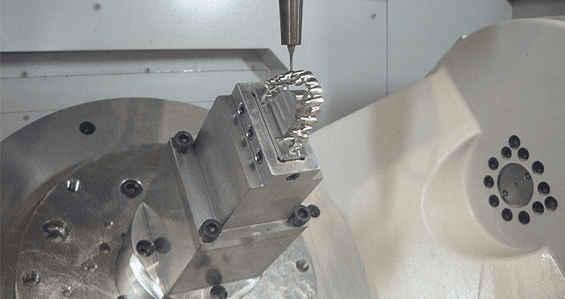
Stainless SFM: 150-250
Feed (IPT) = Chipload x Number of Flutes x RPM
Aluminum chipload: 0.002-0.005″ per tooth
Steel chipload: 0.001-0.003″ per tooth
For turning:
RPM = (SFM x 3.82) / Workpiece Diameter
Feed (IPR) = 0.005-0.015″ for roughing, 0.002-0.006″ for finishing
Always start at 70% of calculated values. Increase feed first if you see chatter, not RPM.
Common Tooling Failures and How to Fix Them
Daily Tooling Checklist for Consistent Results
1. Before running: Check tool for visible wear or chips.
2. Before loading: Clean holder taper and collet. Dirt causes runout.
3. During first part: Listen for chatter. Listen for squealing (too slow) or banging (too fast).
4. After first part: Measure tool diameter with a micrometer if precision matters.
5. At tool change: Inspect cutting edges under magnification. Document tool life.
When to Replace Tools (Don’t Wait for Failure)
Replace an end mill when:
Flank wear reaches 0.008″ (0.20mm)
Corner wear is visible as a missing edge
Surface finish becomes rough or inconsistent
You hear a change in cutting sound
Replace an insert when:
Wear land reaches 0.012″ (0.30mm)
Built-up edge appears on the clearance face
Cutting forces increase (watch your machine load meter)
Core Takeaway: Four Decisions Control Everything
Success with tooling for CNC machines comes down to four choices: tool material, coating, geometry, and holder. Match these four factors to your workpiece material and machining operation first, then verify the speeds, feeds, and cutting depth. Do not focus on brand names, advanced features, or special options until the basics are correct. In real CNC machining projects, YPMFG also checks these fundamentals first to make sure the tool, material, and process are properly matched.
Action Plan for Next Job:
- Identify the exact workpiece material, such as 6061-T6 instead of just “aluminum.”
- Select the tool material and coating from the tables above.
- Choose the tool geometry based on the operation: roughing, finishing, or both.
- For finishing, use a holder with runout below 0.0005″.
- Calculate starting speeds and feeds from the recommended SFM range.
- Run one test part, then adjust feed or RPM based on the wear pattern.
- Record the working parameters so you can reuse them next time.
Correct CNC tooling selection is a skill built job by job. Use this checklist on every setup. After ten jobs, the process becomes much more natural, and tooling failures become rare problems instead of daily interruptions. At YPMFG, stable cutting parameters are also documented to reduce repeated trial and error on similar parts.