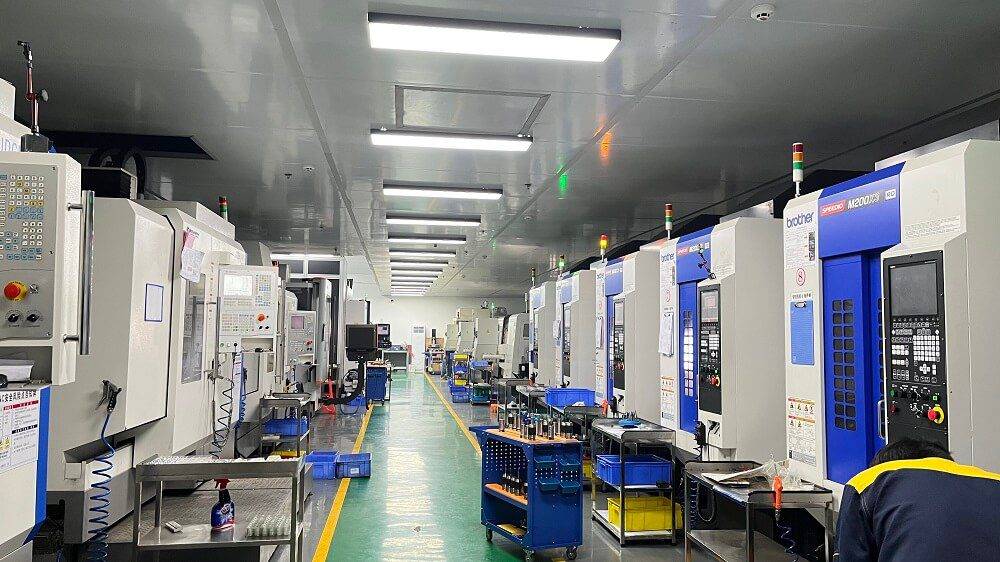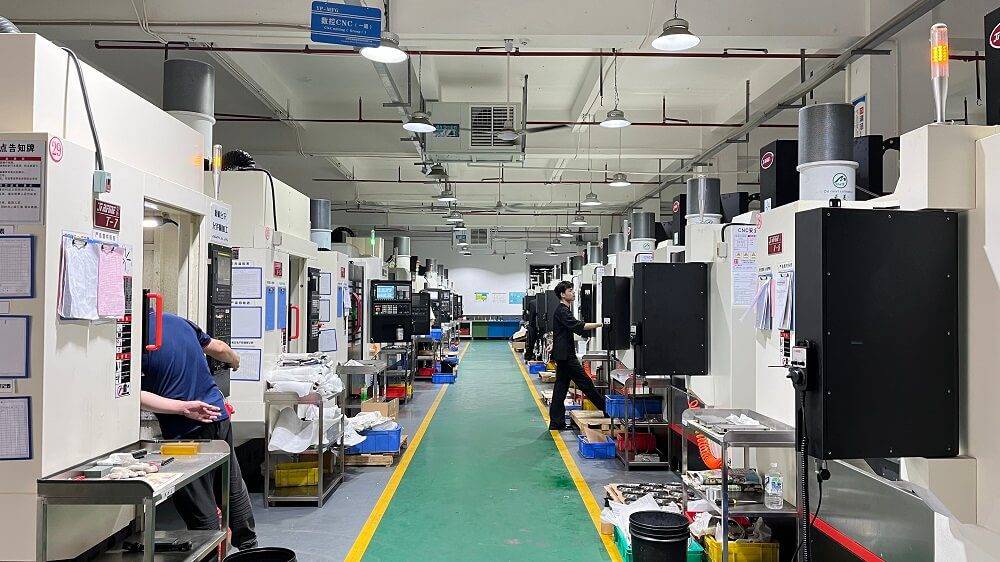
This guide provides proven and practical advice to help you avoid the most common and costly mistakes in CNC machining, ensuring your parts are produced accurately, on time, and within budget. Based on real-world production experience, the following best practices are essential for anyone ordering machined components. YPMFG recommends clarifying design requirements, machining standards, and communication processes before the project begins to reduce the risk of rework and improve overall delivery efficiency.
01The Most Frequent CNC Machining Errors (And How to Avoid Them)
Even experienced designers and engineers repeatedly encounter the same preventable issues. Below are the top three errors, illustrated with common real‑world cases.
Case Example – Missing Internal Corner Radii
A product development team designed a aluminium housing with sharp internal corners (0 mm radius). During CNC machining, the tool (standard 6 mm end mill) could not cut a perfectly sharp internal corner. The resulting part had a 3 mm radius, which prevented proper assembly of the mating component. The team lost USD 3,200 and two weeks for redesign and re‑machining.
Solution: Always design internal vertical corners with a radius at least 1.5 × the tool diameter. For most applications, a 1 mm or 2 mm radius is sufficient and cost‑effective. If a sharp corner is absolutely required, specify a “relief hole” or consider electrical discharge machining (EDM) – but note that EDM adds significant cost and lead time.
Case Example – Over‑specified Tolerances
An automotive supplier requested a ±0.01 mm tolerance on all 15 dimensions of a simple bracket. The machining centre charged a 280% premium for such tight tolerances, and the final parts had a 20% rejection rate. In reality, only two critical mounting holes needed ±0.02 mm; the rest could be ±0.1 mm. The supplier wasted USD 4,500 on unnecessary precision.
Solution: Apply tight tolerances only where functionally required. Use the standard ISO 2768‑mK (medium) for general dimensions, which is cost‑neutral. Every additional ±0.01 mm increases machining time (slower feeds, multiple inspection steps) and scrap risk.
02Essential Pre‑Production Steps That Guarantee Success
Successful CNC machining starts before any metal is cut. Follow these four mandatory steps to eliminate surprises.
Step 1: Design for Manufacturability (DFM) Review
Have your CAD model reviewed by an experienced machinist or use a DFM checklist. Key DFM rules include:
Maximum depth‑to‑width ratio for cavities ≤ 4:1 (deeper features require special tools).
Minimum wall thickness ≥ 0.8 mm for metals, ≥ 1.5 mm for plastics (to avoid warping or breakage).
Thread depth ≤ 2 × nominal diameter (e.g., M6 thread max depth 12 mm).
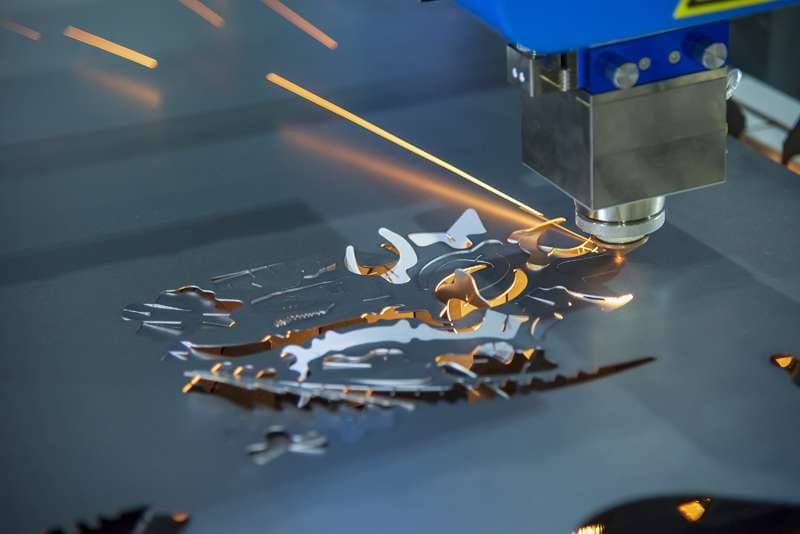
Step 2: Choose the Right Material – Cost vs. Machinability
The material choice directly affects cost, lead time, and surface finish.
Actionable advice: For prototypes, always choose aluminium 6061 or POM unless specific properties (corrosion resistance, high strength) are needed. This reduces machining time by 40‑60% compared to stainless steel.
Step 3: Complete Technical Drawing with GD&T
A 3D model alone is insufficient. Provide a 2D drawing that includes:
Datums and reference points.
Geometric Dimensioning and Tolerancing (GD&T) symbols where necessary (flatness, perpendicularity, position).
Surface finish requirement (e.g., Ra 1.6 µm for sealing surfaces, Ra 3.2 µm for standard).
Notes on edge breaks (max 0.2 mm), burr removal, and any heat treatment or coating.
Step 4: Request a Process Verification Sample
Before full production, order a single “first‑article” part. Inspect it against your drawing. This USD 100‑200 investment prevents a USD 10,000 batch from being scrapped due to a misunderstood dimension or tool selection error.
03How to Communicate Effectively With Your Machining Partner
Miscommunication is the number one cause of delayed and incorrect parts. Follow this template when sending a request for quotation (RFQ).
Essential information to include:
Quantity: Separate pricing for prototype (1‑5 pcs), low‑volume (10‑100 pcs), and production (500+ pcs).
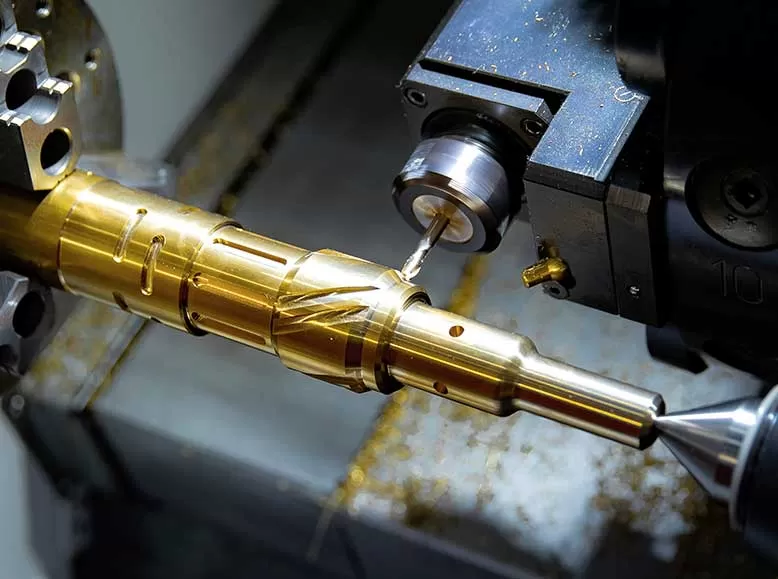
Lead time requirement: Standard (10‑15 days), expedited (3‑5 days, +30‑50% cost).
Material specification: Exact grade (e.g., Al 7075‑T651, not just “aluminium”).
Surface treatment: As‑machined (visible tool marks), bead blasted (matte uniform), anodised (colour, thickness), or passivated (for stainless).
Inspection report: Request a CMM (coordinate measuring machine) report for critical dimensions.
Common red flags to avoid:
“Make it like the sample” – without a drawing,the machinist’s interpretation may differ.
“Standard tolerances” – always define which standard (ISO 2768, DIN 7168, ASME Y14.5).
“No burrs allowed” – burr removal costs time; specify “break all edges 0.1‑0.3 mm” instead.
04Cost‑Saving Design Modifications That Do Not Sacrifice Quality
You can reduce CNC machining costs by 30‑50% with these three design changes, without changing the part’s function.
Modification 1: Reduce set‑up changes
Parts that require machining on five or six sides demand multiple set‑ups (or a 5‑axis machine). Redesign features to be accessible from no more than two opposing directions. Example: Move side holes to the top face where possible.
Modification 2: Use standard tool sizes
Design hole diameters that match common end mills and drills: 3 mm, 4 mm, 5 mm, 6 mm, 8 mm, 10 mm, 12 mm. A 6.5 mm hole requires a special tool (longer delivery, higher cost). For threads, stick to M3, M4, M5, M6, M8, M10 – avoid M3.5 or M7.
Modification 3: Avoid deep, narrow slots
A slot that is 10 mm deep and 2 mm wide has a 5:1 depth‑to‑width ratio. This requires a tiny, fragile tool that must run very slowly. Increase slot width to ≥ 3 mm or reduce depth to ≤ 8 mm. If the slot is non‑critical, consider electrical discharge machining or wire EDM instead – but compare costs.
05Inspection and Quality Assurance – What You Must Check on Delivery
Even reputable shops make occasional errors. Perform these three checks before accepting parts.
Check 1 – Critical dimensions with a calibrated calliper or micrometer
Measure the three most important features (mounting hole positions, shaft diameter, depth of a pocket). Compare to drawing. A deviation > 50% of tolerance is a red flag.
Check 2 – Visual inspection for tool marks and burrs
Run a fingernail over all edges. If you feel a sharp burr, it will cause assembly issues or injury. Request deburring (usually a standard service, but sometimes overlooked).
Check 3 – Fit check with mating components
Do not rely solely on the drawing. Assemble the machined part with its counterpart. A common failure: threads that pass a go/no‑go gauge but are too tight due to plating thickness. Always test with the actual mating part.
06Final Core Takeaway
Successful CNC machining is not about luck. It is about applying systematic and proven design-for-manufacturing principles before production begins. The three most critical actions you can take today are:
- Add generous internal corner radii to every pocket and cavity. A minimum of 1 mm is recommended.
- Specify tight tolerances only where they are truly needed. Use ISO 2768-mK for all other dimensions.
- Provide a complete 2D engineering drawing that clearly notes the material, surface finish, and edge break or deburring requirements.
Immediate action plan: Before your next RFQ, spend 30 minutes reviewing your CAD model against the DFM checklist in Section 2. Then, send the drawing to your machining supplier with one clear question: “Are there any features that will increase cost or lead time?” Based on YPMFG’s project experience, this simple question can often help customers significantly reduce unnecessary costs during the first prototype run.
By following this guide, you can move from reactive problem-solving to a more proactive and cost-effective CNC machining process, helping you deliver precision parts on time with greater consistency.