
Cast aluminum is a lightweight and durable metal used in a wide range of products, from cookware and outdoor furniture to engine components and power tools. This guide gives you a clear and practical overview of what cast aluminum is best suited for, where its limitations are, how to maintain it, and how to decide whether it is the right material for your next purchase or manufacturing project. For parts that need to balance weight, strength, and cost, YPMFG often recommends evaluating cast aluminum early in the design stage to ensure it meets both performance and production requirements.
01What Is Cast Aluminum?
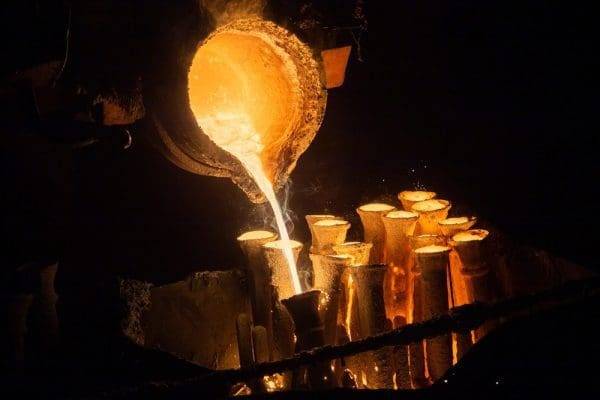
Cast aluminum is made by pouring molten aluminum into a mold. After it cools, the part takes the shape of that mold. This process allows manufacturers to produce complex shapes, such as grill housings, frying pans, or gearboxes, without relying on extensive and expensive machining. For projects with complex geometries and cost-control requirements, YPMFG often considers cast aluminum as a practical material and manufacturing option.
Key properties you can count on:
Lightweight – About one‑third the weight of cast iron or steel.
Corrosion‑resistant – Naturally forms a protective oxide layer.
Good heat conductor – Heats up quickly and evenly (though not as good as copper).
Non‑sparking – Safe for use around flammable materials.
Recyclable – Nearly 100% recyclable without loss of quality.
02The Real‑World Advantages of Cast Aluminum
1. Lightweight and Easy to Handle
If you’ve ever lifted a cast iron skillet or a steel table, you know the strain. Cast aluminum gives you similar strength at a fraction of the weight. For example, a standard 12‑inch cast aluminum frying pan weighs about 2.5 lbs, while the same size cast iron pan weighs over 5 lbs. That difference matters if you have arthritis, weak wrists, or simply want an easy‑to‑manage pan.
2. Resists Rust Without Special Care
Unlike steel or iron, cast aluminum does not rust. The outer layer oxidizes instantly when exposed to air, creating a hard, transparent shield. You can leave cast aluminum patio furniture outside all year — rain, snow, or coastal mist — and it won’t develop red rust. However, in very salty or acidic environments (like beachfront or near a pool with chlorine), it may show white powdery corrosion. That’s cosmetic, not structural, and can be cleaned off.
3. Heats Fast and Evenly
For cookware, cast aluminum is a solid performer. It heats up noticeably faster than cast iron or stainless steel. Many non‑stick pans use a cast aluminum base because it eliminates hot spots. Example: When you sear a steak in a cast aluminum pan, the entire surface reaches target temperature in about 90 seconds, versus 3–4 minutes for cast iron.
4. Complex Shapes at Low Cost
Because casting can produce intricate designs, cast aluminum parts are common in automotive (engine blocks, transmission cases), power tools (housings, gearboxes), and decorative hardware (door handles, light fixtures). You get strength and precision without the high cost of machining from solid metal.
5. Excellent Recyclability
Almost all cast aluminum scrap can be remelted and reused. If you replace an old cast aluminum part, it can go directly into recycling — no loss of material value. That’s why many eco‑conscious buyers choose cast aluminum over plastics or composite materials.
03The Drawbacks You Must Know
No material is perfect. Cast aluminum has real limitations.
1. Softer and Less Impact‑Resistant Than Steel
Cast aluminum is not as hard as steel or cast iron. Drop a cast aluminum pan on a tile floor, and it can dent or crack. The same drop with a cast iron pan might chip the tile. Also, sharp impacts — like hitting a cast aluminum engine cover with a hammer — can fracture it, while steel would just bend.
Real example: A homeowner bought cast aluminum outdoor chairs. During a windstorm, a heavy branch fell on one chair. The chair leg snapped. A steel chair would have bent but stayed intact. The trade‑off: the cast aluminum chair was light enough to move easily, and the replacement leg cost only $20.
2. Not for High‑Heat Cooking (Over 500°F / 260°C)
Cast aluminum cookware typically has a non‑stick coating, but even bare cast aluminum can warp or weaken above 500°F. If you preheat an empty cast aluminum pan on high heat for too long, it can become discolored or lose flatness. For searing at 600°F+ or for baking at 450°F, cast iron or stainless steel is safer.
3. Reactive with Acidic and Alkaline Foods
Bare cast aluminum (uncoated) reacts with tomatoes, vinegar, lemon juice, and some detergents. The reaction can give food a metallic taste and leave dark gray marks on the pan. That’s why most cast aluminum cookware is anodized or coated with non‑stick. For outdoor furniture, acidic rain can slowly etch the surface over many years.
4. Difficult to Repair
If a cast iron pan cracks, a skilled welder can fix it. Cast aluminum is much harder to weld because the oxide layer interferes and the metal absorbs hydrogen. Small cracks in a cast aluminum part often mean replacement, not repair. For expensive items (like an engine block), specialized welding shops exist, but costs are high.
5. Can Creep Under Constant Load
At high temperatures or under steady heavy weight, cast aluminum can slowly deform (creep). For example, a cast aluminum shelf bracket supporting 200 lbs in a hot attic may sag over a decade. Steel or iron would not.
04How to Identify Cast Aluminum (vs. Other Metals)
Use these simple checks:
Quick field test: Hold a magnet to it. If it sticks strongly, it’s not cast aluminum. If it doesn’t stick and the item is lightweight, it’s almost certainly cast aluminum or an aluminum alloy.
05Common Uses and What to Expect
Cookware
Good: Frying pans, saucepans, Dutch ovens (lightweight, fast heating)
Avoid: Uncoated pans for acidic sauces; any pan on induction stoves (most cast aluminum is not magnetic)
Outdoor Furniture
Good: Chairs, tables, frames (rust‑proof, light to move)
Watch for: White corrosion near saltwater; fading of paint over years
Automotive and Machinery
Good: Engine blocks,transmission cases, pump housings (weight saving improves fuel economy)
Avoid: High‑load suspension parts (steel is stronger)
Power Tools
Good: Body housings, gear cases (light, dissipates heat)
Avoid: Hammering directly on cast aluminum surfaces
06Proper Maintenance – Make It Last
For Cast Aluminum Cookware (Anodized or Non‑stick)
1. Do not overheat empty pan – medium heat is usually enough.
2. Use wood, silicone, or plastic utensils – metal scratches the surface.
3. Hand wash with mild soap – dishwashers can corrode bare edges and dull coatings.
4. Avoid thermal shock – don’t run a hot pan under cold water; let it cool first.
5. If food sticks – soak in warm soapy water, then use a soft sponge.
For Bare (Uncoated) Cast Aluminum (e.g., some baking sheets, old pots)
Season before first use: Rub with vegetable oil and heat at 350°F for 1 hour. This builds a protective layer.
Avoid acidic foods: Use parchment paper or cook something else first.
Scrub gently: Steel wool will leave scratches that trap food.
For Outdoor Cast Aluminum Furniture
Clean twice a year – soap, water, and a soft brush.
Inspect for white corrosion – if present, scrub with a mix of vinegar and water (1:1), rinse, then dry.
Apply car wax or marine wax – this seals the surface and reduces future corrosion.
Store cushions separately – moisture trapped under cushions can cause pitting.
For Cast Aluminum Machine Parts (Engine, Tools)
Follow manufacturer torque specs – cast aluminum strips threads easily if over‑tightened.
Use anti‑seize compound on bolts – prevents galling (aluminum welding itself to steel).
Never hammer directly on a cast aluminum housing – use a wood or rubber mallet if needed.
07Cast Aluminum vs. Other Common Materials – Which One Wins?
08Three Common Scenarios – Real Decisions
Scenario 1: Buying a new frying pan
Need: Lightweight, easy to clean, for eggs and vegetables.
Verdict: Cast aluminum non‑stick is excellent. It’s light, heats fast, and doesn’t rust. But if you also want to sear steaks at high heat or use metal spatulas, buy cast iron instead.
Scenario 2: Choosing patio chairs
Need: Weather‑resistant, movable by one person, under $100 each.
Verdict: Cast aluminum is perfect. Look for powder‑coated finishes. Avoid bare aluminum near the ocean unless you wax it regularly.
Scenario 3: Replacing a broken engine part
Need: Exact fit, heat resistance, long life.
Verdict: If the original was cast aluminum, replace with cast aluminum. Do not substitute steel — the extra weight will stress mounts and change balance. But be aware that a used cast aluminum part from a junkyard may have invisible cracks.
09Actionable Summary – Your Next Step
Repeat the core truth: Cast aluminum gives you light weight, rust resistance, and low‑cost complex shapes — but it is softer than steel, not for extreme heat, and hard to repair.
Before you buy or build with cast aluminum, ask yourself four questions:
1. Will this part ever see heavy impact or constant high load? (If yes, consider steel.)
2. Will it be exposed to acidic foods or harsh chemicals? (If yes, get anodized or coated cast aluminum, not bare.)
3. Do I need to weld or repair it later? (If yes, choose steel.)
4. Is weight a top priority? (If yes, cast aluminum is your answer.)
Action plan:
For cookware: Choose hard-anodized cast aluminum with a high-quality non-stick coating. Hand wash after use. Under normal use, it is generally recommended to replace it every 3–5 years.
For outdoor furniture: Choose powder-coated cast aluminum furniture. Clean it twice a year. If it is used near coastal areas or in salty air, apply wax periodically to provide extra surface protection.
For DIY projects: Cast aluminum is well suited for brackets, enclosures, and housings. When machining it, use drill bits designed for aluminum, along with high speed and proper lubrication. Do not tap threads too deep. For better connection strength, use threaded inserts.
Final takeaway: Cast aluminum is not simply better or worse than steel or iron; it is different. Use it where lightweight performance and corrosion resistance matter most, while accepting its limitations in strength and repairability. YPMFG recommends choosing materials based on the actual application. When the material matches the job, cast aluminum can deliver excellent performance.