
In modern manufacturing, the packaging and transportation of parts are critical steps. Proper packaging and shipping methods can effectively protect parts from damage, ensure product quality, and improve customer satisfaction. This article explores how to effectively ensure that parts remain undamaged during packaging and transportation, helping maintain a smooth production chain and consistent product quality.
1. Careful Packaging
a. Choosing the Right Packaging Materials
Cushioning Materials:
Use materials with good shock-absorbing properties such as foam, bubble wrap, and foam plastics. These materials can effectively reduce impact and compression that parts may experience during transportation.
High-Strength Materials:
Select packaging materials with sufficient strength to withstand external pressure and compression, ensuring the integrity of the parts during transit.
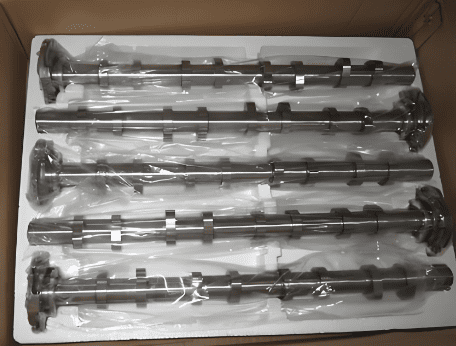
b. Optimizing Packaging Design
Separated Packaging:
Pack parts separately to prevent friction and collisions between them, reducing the risk of damage.
Custom Packaging:
Design specialized packaging solutions based on the characteristics and shapes of the parts to ensure a perfect fit and provide optimal protection.
2. Customized Transportation Solutions
a. Choosing the Right Transportation Method
Express Shipping:
For small quantities and high-value parts, express shipping is a good option as it offers fast and secure delivery services, reducing the risk of damage.
Professional Transportation:
For large and heavy parts, selecting a professional logistics company ensures the availability of appropriate transportation plans and equipment, guaranteeing safe delivery.
b. Planning Transportation Routes
Optimized Routes:
Choose transportation routes with good road conditions and smooth traffic to minimize vibrations and impacts during transit, thereby reducing the risk of damage.
Avoid Multiple Transfers:
Try to avoid multiple transshipments during transportation, as each transfer increases the possibility of damage. Direct delivery helps ensure safer arrival at the destination.
3. Quality Control and Monitoring
a. Production Quality Control
Strict Quality Inspection:
Strengthen quality control measures during production to ensure that parts meet required standards and reduce the risk of damage caused by manufacturing defects.
Traceability System:
Establish a comprehensive quality traceability system to record and track each batch of parts, enabling timely identification and resolution of potential quality issues.
b. Transportation Monitoring System
Real-Time Monitoring:
Implement real-time monitoring systems to track the condition of parts during packaging and transportation, allowing immediate action if any abnormalities occur.
Data Analysis:
Analyze monitoring data to identify common patterns and causes of damaged parts, and use these insights to improve packaging and transportation strategies.

4. Continuous Improvement and Feedback
Continuous Improvement:
Regularly review and improve packaging and transportation methods to enhance efficiency and safety.
Customer Feedback:
Actively collect feedback from customers to understand their requirements and expectations regarding packaging and transportation, and adjust service strategies accordingly.
Conclusion
In summary, through careful packaging, customized transportation solutions, strict quality control and monitoring, and continuous improvement based on feedback, manufacturers can effectively ensure that parts remain undamaged during packaging and transportation. This not only safeguards product quality and customer satisfaction but also strengthens a company’s competitiveness and brand reputation.