English
  German
  Russian
  Japanese
  Korean
  Spanish
  French
  Italian
  Portuguese
Quick answer:
CNC turning and milling machining parts services combine two precision manufacturing processes to produce complex metal or plastic components. Turning creates cylindrical shapes by rotating the workpiece against a cutting tool, while milling removes material using rotating cutters on a stationary workpiece. Most engineering projects require both processes to achieve the final part geometry.
These CNC machining parts services handle everything from prototype development to high-volume production runs. Lead times typically range from a few days for simple turned components to several weeks for complex multi-operation parts. Material selection, tolerance requirements, and surface finish needs are the primary cost drivers.
YPMFG supports buyers through every stage, from initial design review to final quality inspection, ensuring your machined components meet exact specifications.
The shift toward outsourcing machining has accelerated as part complexity grows and in-house capabilities become insufficient. Many engineering teams now rely on specialized CNC turning milling services rather than maintaining multiple machines internally. This approach reduces capital expenditure while gaining access to advanced equipment and experienced operators.
Understanding how these services work helps you make better purchasing decisions and avoid costly mistakes during the procurement process.
What CNC Turning and Milling Machining Services Actually Do
CNC turning shapes material by rotating it against a stationary cutting tool. The process excels at producing cylindrical parts such as shafts, bushings, and sleeves. Modern CNC lathes can perform multiple operations in a single setup, including facing, threading, grooving, and parting off. This capability reduces handling time and improves positional accuracy.
CNC milling removes material using rotating cutting tools while the workpiece remains stationary or moves along multiple axes. Milling produces flat surfaces, slots, holes, pockets, and complex 3D contours. Five-axis milling machines can approach the workpiece from virtually any angle, enabling intricate geometries that would require multiple setups on conventional equipment.
When a part requires both cylindrical features and complex milled surfaces, manufacturers use combined turning and milling centers. These machines perform both operations without transferring the part between equipment. The result is tighter tolerances, faster cycle times, and lower total cost per part.
Your CNC manufacturing partner should evaluate whether a combined approach is feasible for your design. Some geometries that appear to require separate operations can be accomplished on a single machine, saving time and reducing cumulative error from multiple setups.
Key Differences Between Turning and Milling Operations
These differences determine which process is appropriate for each feature on your part. A single component often requires both turning and milling to achieve the final specification. Your machining service provider should identify all required operations during the quoting phase.
Materials Commonly Used in CNC Turning and Milling
Material selection affects machinability, final part properties, and cost. Aluminum alloys such as 6061 and 7075 are among the most commonly processed materials. They machine quickly, accept fine surface finishes, and offer good strength-to-weight ratios. Aluminum is the default choice for prototype and low-volume production.
Stainless steels including 303, 304, and 316 require different cutting parameters due to their work-hardening characteristics. These materials deliver superior corrosion resistance and strength but increase cycle time and tool wear. If your application demands stainless steel, ensure your precision machining provider has experience with these alloys.
Engineering plastics like Delrin, PEEK, and Nylon serve specific applications where metal properties are unnecessary or counterproductive. Plastics machine at higher speeds than metals and produce less tool wear. However,they may require different clamping strategies to prevent deformation.
Titanium and nickel alloys present significant machining challenges. These materials generate high cutting temperatures and accelerate tool wear. Parts made from these alloys command premium pricing due to reduced material removal rates and specialized tooling requirements.
Tolerance Requirements and What Affects Achievable Precision
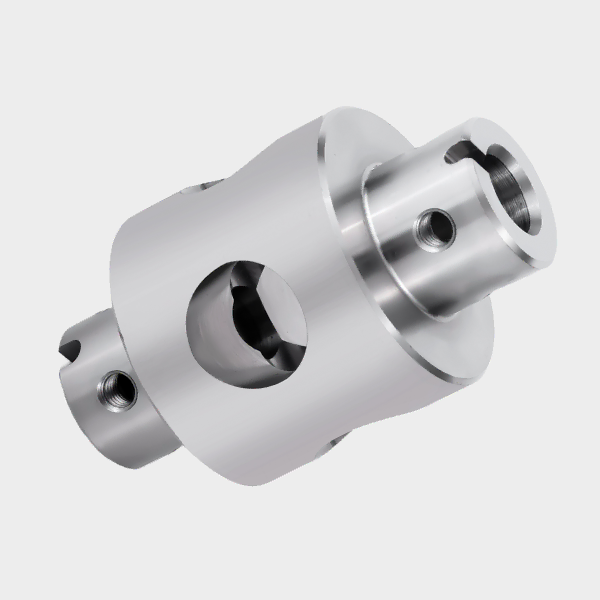
Standard CNC machining tolerances typically range from ±0.025mm to ±0.1mm for most commercial applications. Tighter tolerances are achievable but increase cost substantially. Each increment of tighter tolerance requires slower cutting speeds, more passes, and additional inspection time.
Factors that influence achievable tolerance include machine condition, tool wear, thermal expansion, material stability, and operator expertise. A well-maintained five-axis center in a climate-controlled environment will hold tighter tolerances than older equipment in variable conditions.
Your CNC parts manufacturer should clarify which tolerances are standard and which require special process control. Specifying ±0.01mm on every feature when ±0.05mm would suffice is a common source of unnecessary expense. Challenge yourself to specify tolerances only where function truly requires them.
Thermal effects become significant during long production runs or when machining large parts. Materials expand as they heat during cutting, then contract as they cool. Precision operations often incorporate wait periods or active cooling to manage this effect. Ask your provider how they address thermal stability for your part size and material.
Surface Finish Options and Their Impact on Cost and Function
Surface finish affects both the appearance and performance of machined parts. Common finishes include mill finish for non-critical surfaces, bead blast for uniform texture, and anodizing for aluminum components. Each additional process adds cost and lead time.
For functional surfaces, finish specifications should match the application. Bearing surfaces may require specific roughness values measured in Ra or Rz units. Hydraulic components need smooth finishes to prevent seal damage. Cosmetic parts may specify visual appearance standards rather than numerical roughness values.
Your machining services provider should recommend appropriate finishes based on your application. Specifying an overly smooth finish on a non-contact surface wastes money. Conversely, accepting a rough finish on a sealing surface invites premature failure.
Secondary operations such as deburring, passivation, and plating further affect the final surface condition. These processes are often performed after primary machining but before final inspection. Understanding the sequence helps you plan your timeline accurately.
How Pricing Works for CNC Turning and Milling Projects
Several factors determine the final price of your CNC machining parts. Material cost forms the base, but it rarely exceeds 20 percent of total price for complex parts. The remaining cost comes from machine time, setup time, programming, tooling, and quality inspection.
Cycle time is the dominant cost driver. Longer cycles result from smaller tool diameters, deeper cavities, tighter tolerances, and harder materials. Your provider calculates cycle time based on material removal rate, tool path efficiency, and machine capabilities.
Setup time applies to each distinct part number or configuration. Running multiple similar parts in one setup amortizes setup cost across units. Volume discounts typically apply above certain quantity thresholds, but the exact breakpoint depends on your provider’s pricing model.
Requesting a detailed quote from your CNC turning milling services provider should include breakdown of material, setup, unit price, and any secondary operations. Transparent pricing helps you evaluate alternatives and identify where design changes might reduce cost.
Design for Manufacturability: Reducing Cost Without Sacrificing Function
Good design for manufacturability starts with understanding how machining works. Deep holes require longer tools that flex more and break easier. Sharp internal corners cannot be produced by rotating tools, so designers must specify fillets or accept separate operations. Thin walls vibrate during cutting and may require special fixturing or slower feeds.
Each design decision you make either simplifies machining or complicates it. Simple geometries with standard features machine faster and more reliably. Complex shapes with tight tolerances in hard materials demand specialized processes and extended cycle times.
Your CNC parts manufacturer can provide design for manufacturability feedback before production begins. This feedback often reveals opportunities to reduce cost without affecting part performance. A good provider asks about your application and suggests modifications that maintain function while improving machinability.
Features that seem minor can have significant cost impact. A threaded hole requiring a tap after turning adds a secondary operation. A cross-drilled hole needs special fixturing and multiple setups. Identifying these features early allows you to plan accordingly or modify the design.
Quality Assurance Processes You Should Expect
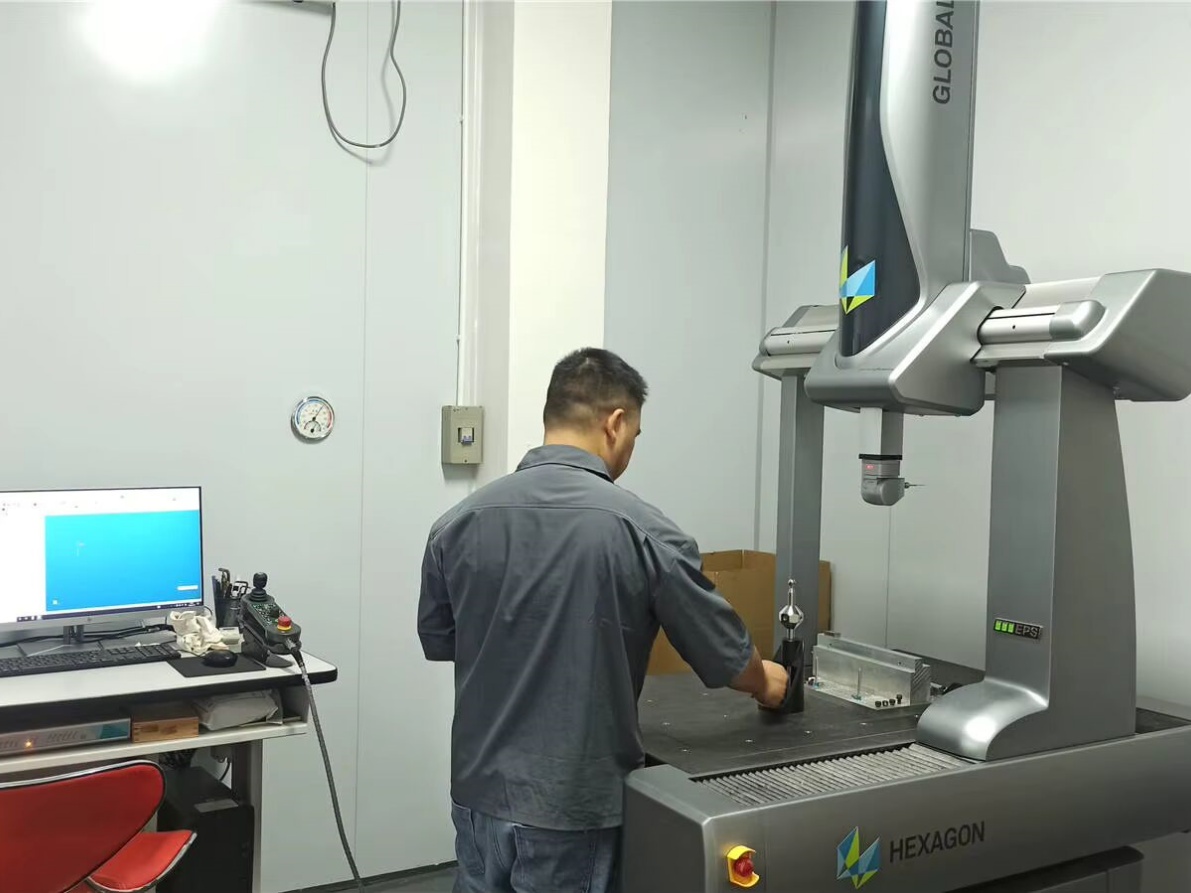
Reputable CNC machining services providers implement formal quality systems that go beyond basic inspection. First article inspection verifies that the first part produced meets all specified dimensions and tolerances. Production part approval processes document each measurement and confirm consistency.
Material traceability is essential for regulated industries. Certificates of conformity should accompany each batch, documenting heat number, material composition, and mechanical properties. Your provider should maintain these records for the product lifecycle or longer.
Statistical process control tracks variation over time. SPC data helps identify drift before it produces nonconforming parts. Providers who use SPC demonstrate commitment to consistent quality rather than reactive inspection.
Ask your machining service provider about their quality documentation before committing to a project. Incomplete records or vague quality statements may indicate a provider who treats quality as an afterthought rather than a core capability.
Lead Times and Production Scheduling Considerations
Lead time depends on part complexity, material availability, queue position, and secondary operations. Simple turned parts in stock material may ship within days. Complex milled components requiring special materials and multiple operations typically take two to six weeks.
Rush service is available from most CNC machining providers but carries a premium. Understanding when rush service is necessary helps you avoid unnecessary costs. Some delays can be prevented by submitting complete information upfront rather than waiting for clarifications during production.
Seasonal demand patterns affect scheduling in many shops. End-of-quarter and pre-holiday periods often see increased workload. Planning your projects around these peaks can improve lead time and reduce expediting costs.
Your provider should give you a realistic schedule estimate during quoting, not a best-case scenario. Reliable providers build in buffer time for unexpected issues. Overly aggressive estimates that miss their own deadlines create more problems than they solve.
Choosing the Right CNC Machining Service Provider
Selecting a CNC turning milling services provider requires evaluating technical capability, quality systems, communication practices, and commercial terms. Visit the facility if possible, or request a virtual tour. A provider confident in their operations will welcome visibility.
Ask about their experience with your specific material and application. General competence does not guarantee expertise with challenging materials or tight-tolerance requirements. Providers who specialize in certain industries often deliver better results for those applications.
Review their quality documentation and certification status. ISO 9001 certification indicates a formal quality management system, though the certification itself does not guarantee your parts will meet specification. What matters is how the system is implemented and maintained.
Your CNC machining provider should respond to questions promptly and thoroughly during the quoting phase. Communication during the pre-production stage predicts communication during production. Slow or vague responses to technical questions are early warning signs.
Common Mistakes to Avoid When Ordering CNC Machined Parts
Incomplete documentation is the most frequent cause of delays and rejects. Submitting a 3D model without 2D drawings with tolerances leaves room for interpretation. Missing surface finish specifications or material grades create confusion during production. Provide complete information to avoid back-and-forth that extends lead time.
Over-specifying tolerances on non-critical features increases cost without improving function. Identify which dimensions affect assembly or performance and apply tight tolerances only there. Apply commercial tolerances elsewhere to keep costs reasonable.
Ignoring draft and tool access when designing parts leads to expensive surprises. Features that cannot be reached by standard tools require special tooling or alternative processes. Your machining services provider can identify these issues during design review if given the opportunity.
Assuming the cheapest quote represents the best value overlooks hidden costs. Low bids may reflect inefficient programming, inadequate quality processes, or underestimating cycle time. When quotes vary significantly, ask what is included and excluded rather than choosing based on price alone.
Questions Buyers Often Ask About Turning and Milling Services
What is the difference between turning and milling?
Turning rotates the workpiece against a stationary tool to create cylindrical features. Milling uses rotating cutters on stationary or moving stock to create flat surfaces, slots, and complex contours. Most parts require both processes.
How do I get an accurate quote?
Submit complete 3D models, 2D drawings with tolerances, material specifications, quantity requirements, and any special instructions. The more detail you provide, the more accurate the estimate from your CNC parts manufacturer.
Can you handle prototype and production in one order?
Many providers offer both prototyping and production runs. Confirm that the same quality processes apply to prototype and production quantities. Some shops treat prototypes as lower priority, which can delay your schedule.
What quality documentation will I receive?
Expect first article inspection reports, material certifications, and process records. Specific requirements vary by industry. Medical and aerospace applications typically require more extensive documentation than general industrial parts.
How do you manage tool wear during production?
Quality providers monitor tool condition and replace inserts before they produce out-of-tolerance parts. Ask about their tool management process and whether they track cuts per tool for critical features.
What happens if parts fail inspection?
Reputable CNC machining services providers accept responsibility for nonconforming parts and arrange replacement at no additional cost. Understand their nonconformance process before committing to a project.
Can you work with our existing CAD models?
Most providers accept standard file formats including STEP, IGES, and native CAD files. Some may request native files for complex geometries to ensure accurate tool path generation.
How do you ensure consistency across production runs?
Ask about their process control methods, calibration schedules, and measurement system analysis. Consistent quality comes from controlled processes, not inspection alone.
Making a Better Long-Term Decision for Your Machining Needs
Choosing the right CNC turning milling services partner affects cost, quality, and timeline throughout your product lifecycle. The provider you select becomes an extension of your engineering team, influencing design decisions, material selection, and production scheduling.
Start by clarifying your requirements before reaching out to providers. Know your material, tolerance, finish, and quantity needs. This preparation allows you to evaluate responses on equal footing and identify providers who truly understand your application.
Request design for manufacturability feedback on your most challenging features. A provider who identifies potential issues before production begins demonstrates expertise and cares about your success. This collaborative approach reduces risk and improves outcomes.
Send your specifications to YPMFG for a comprehensive engineering review. Our team evaluates your designs for manufacturability, recommends optimizations, and provides detailed quotes with transparent cost breakdowns. We support projects requiring precision CNC machined components with full documentation and quality assurance. Contact us to discuss your requirements and receive a professional assessment tailored to your application.